English


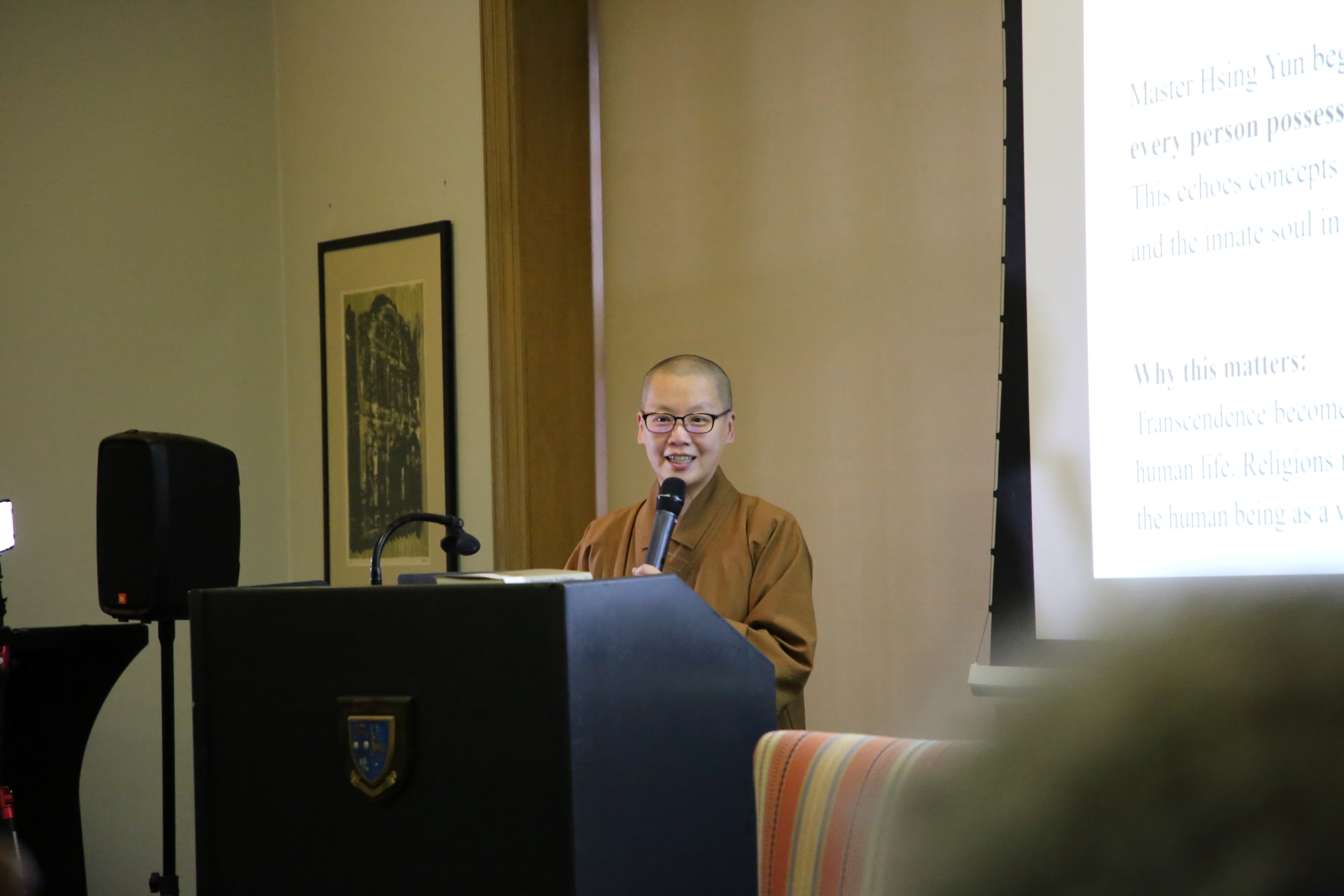
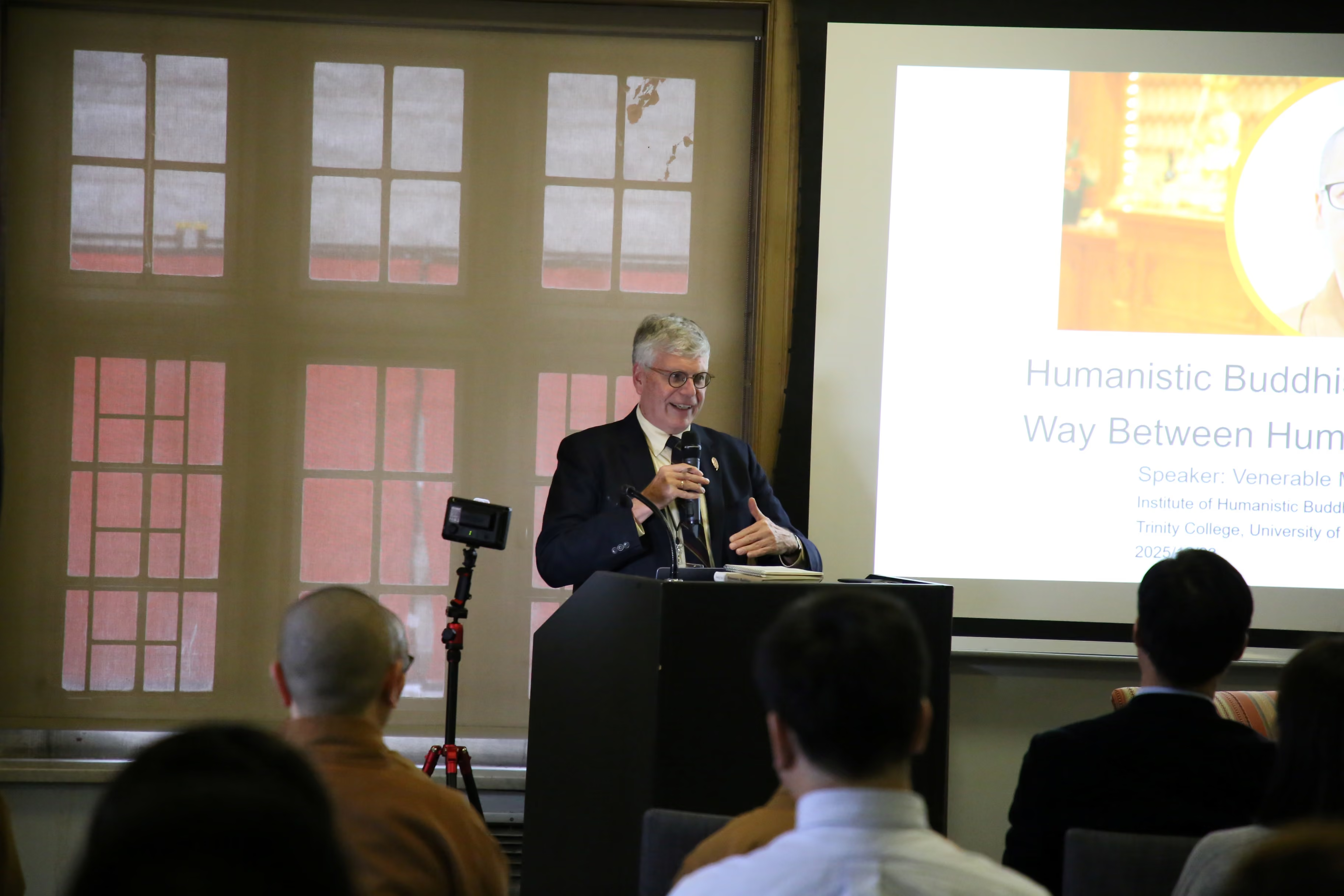
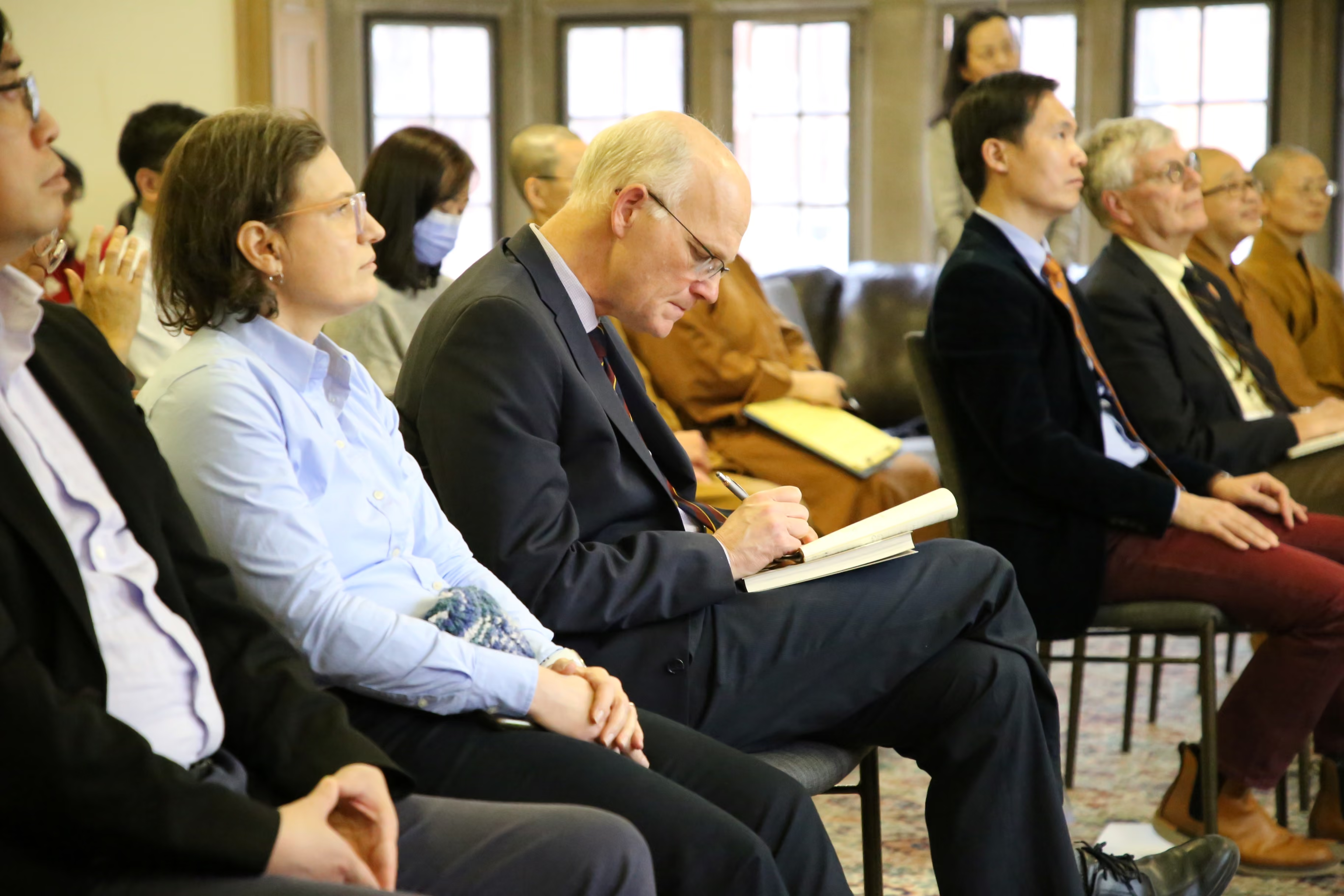
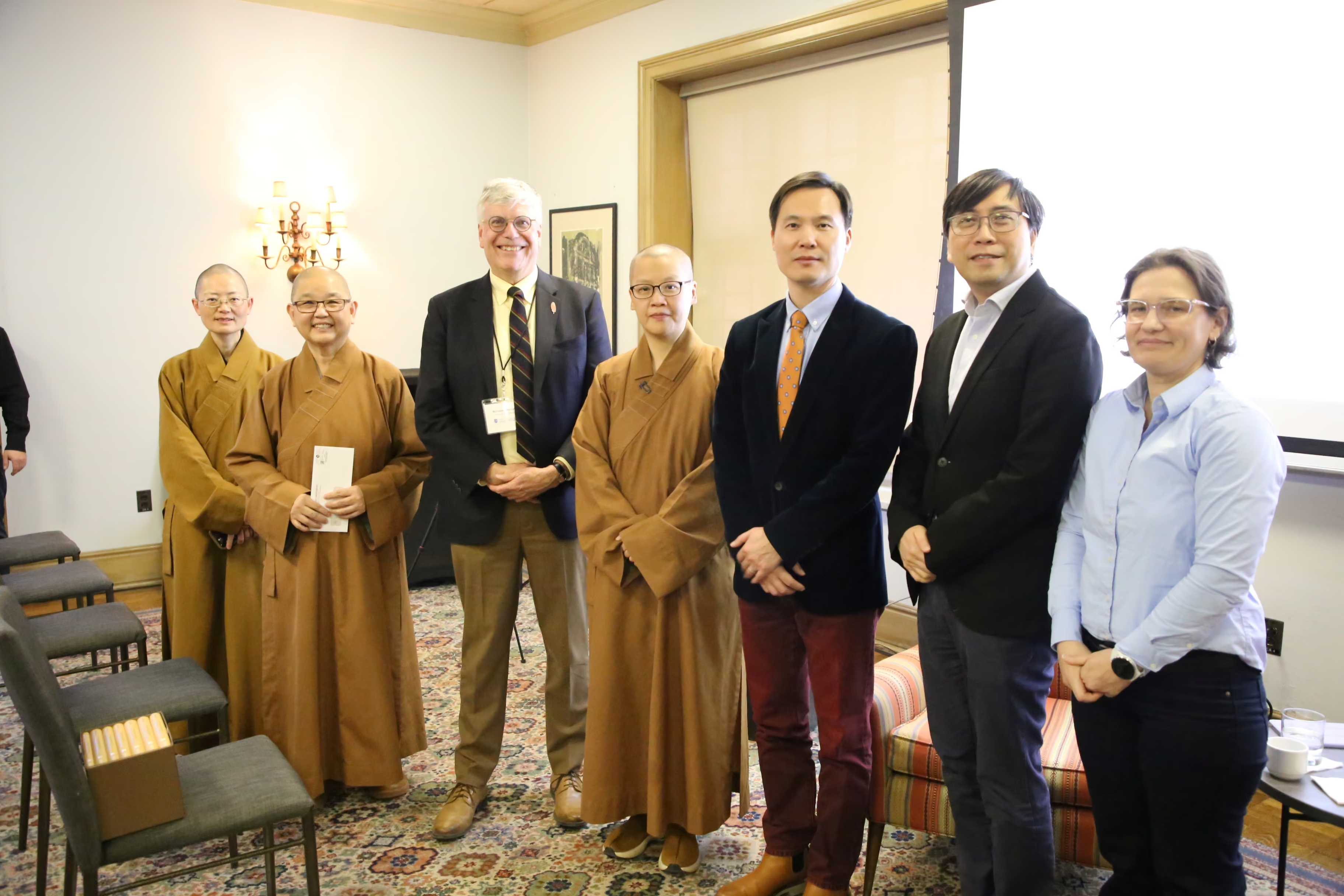
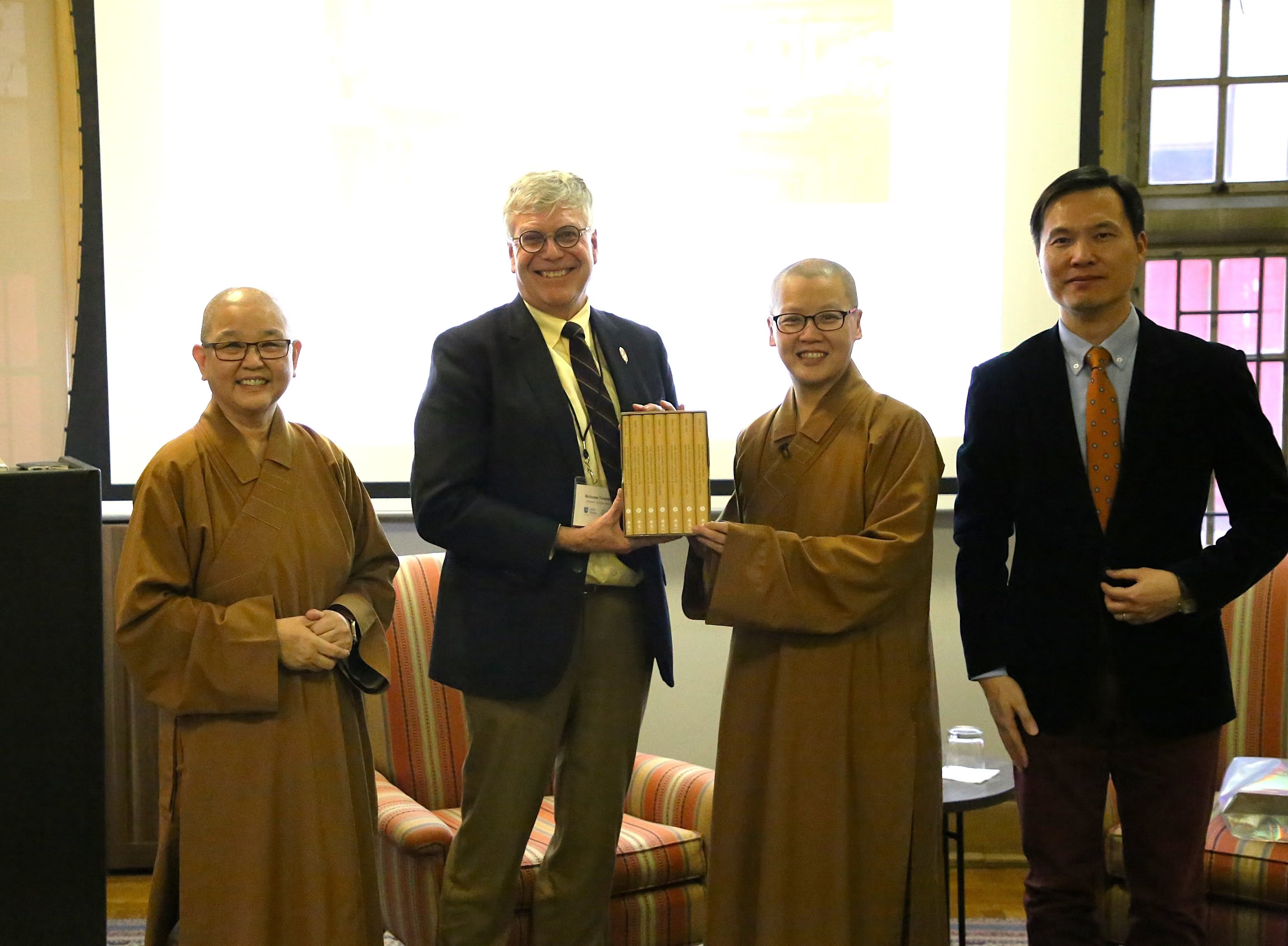
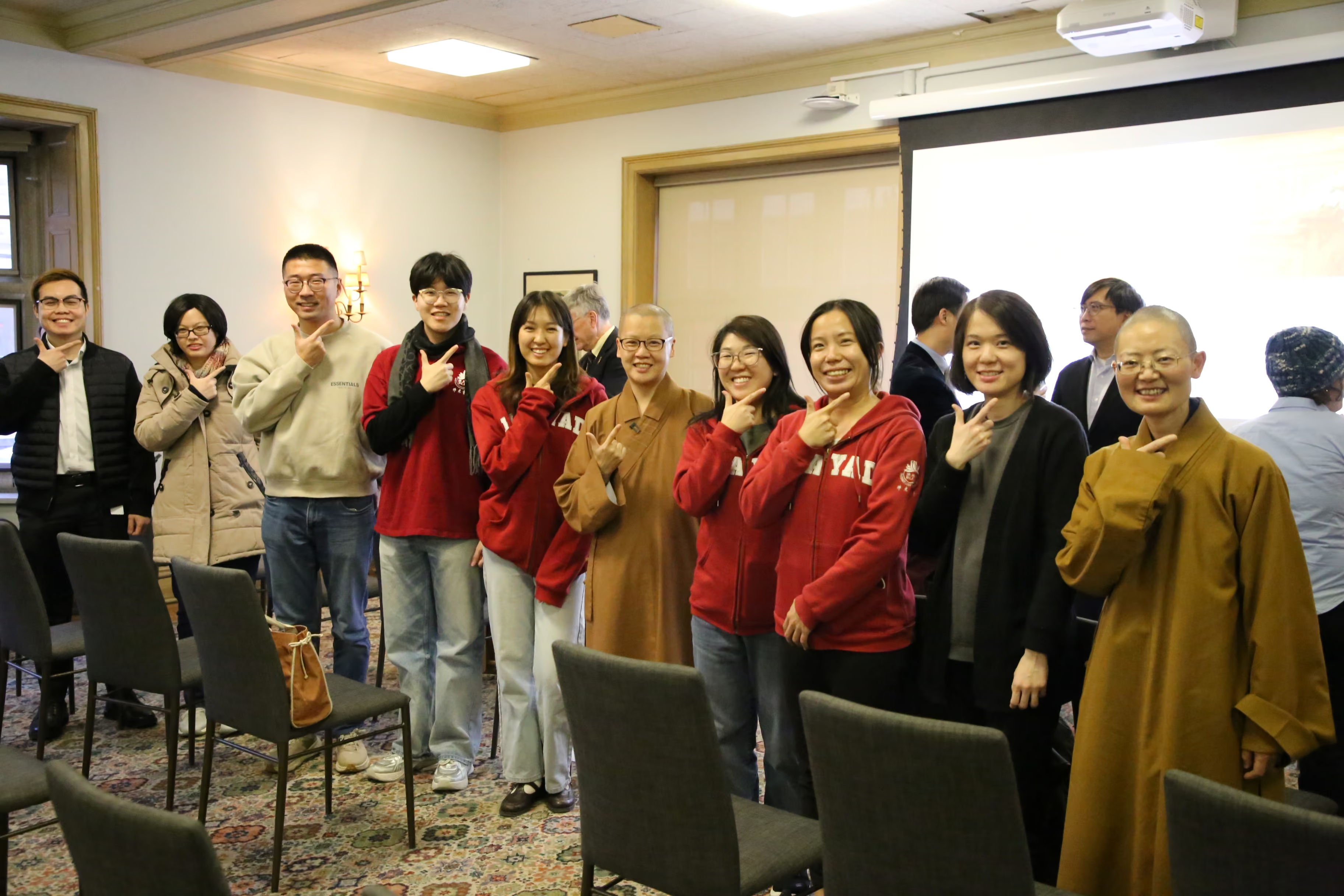
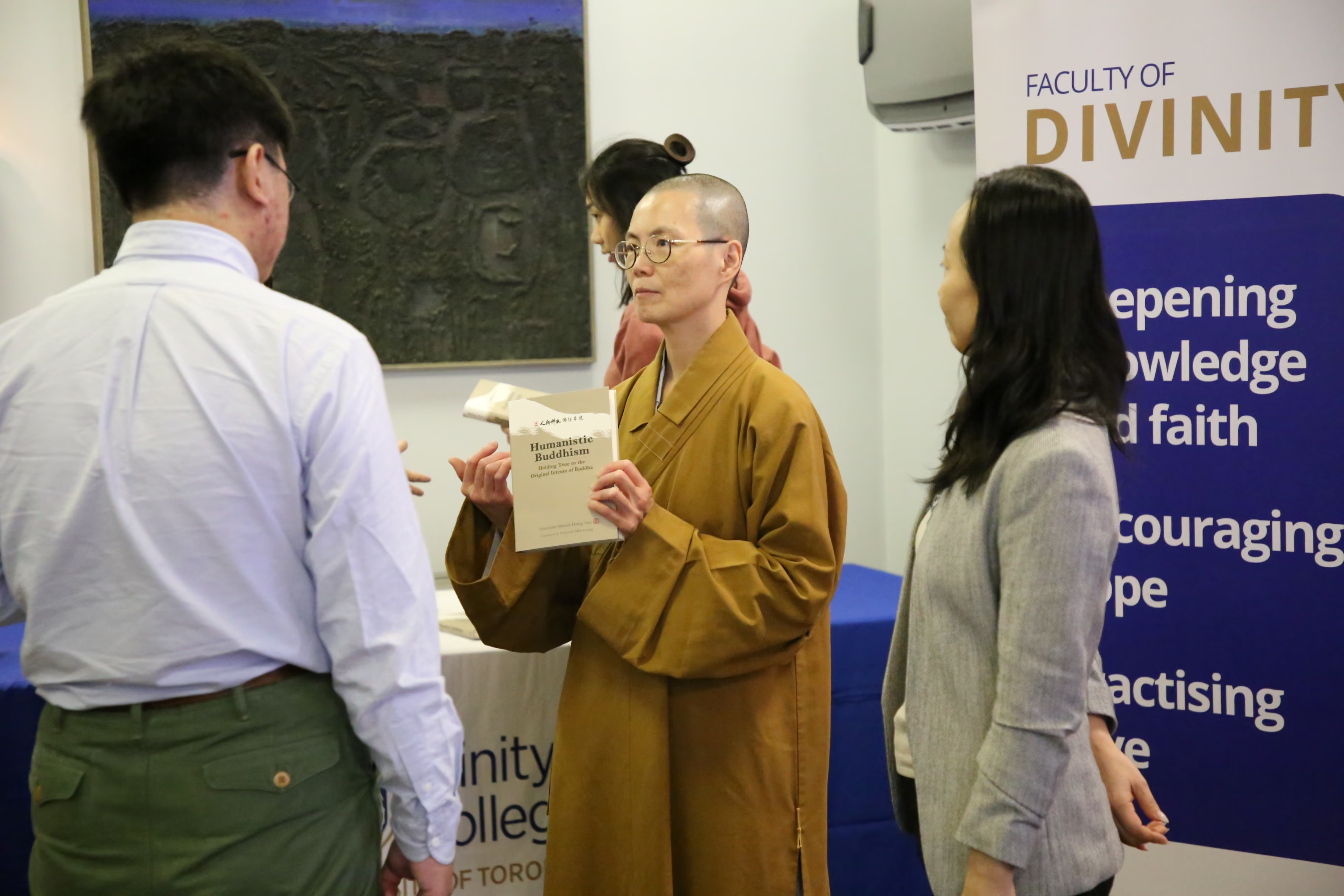
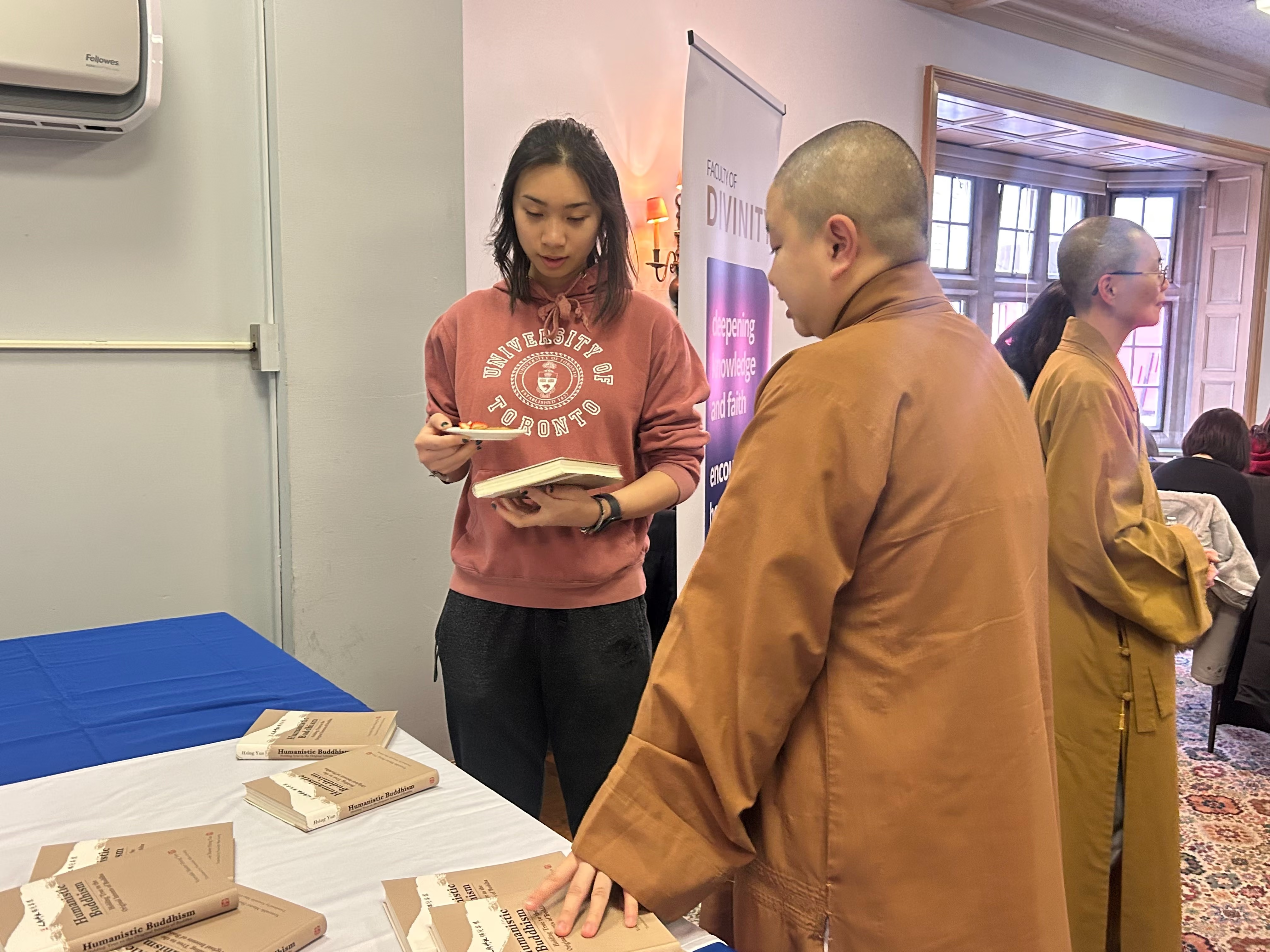
The Institute for Humanistic Buddhist Thought & Practice at Trinity College, University of Toronto, invited Venerable Miao Guang,Deputy Chancellor of the Fo Guang Shan Institute of Humanistic Buddhism, to present a public lecture on December 3. Her talk, “Humanistic Buddhism:The Middle Way Between Humans and Religion,” attracted nearly 50 participants, including students, faculty members, Buddha's Light YAD, and interfaith scholars.
Opening the event, Professor Nicholas Terpstra, Provost and Vice-Chancellor of Trinity College, welcomed Venerable Miao Guang and expressedappreciation to Venerable Chueh Fan, Abbess of Fo Guang Shan Temple of Toronto, and Dr. Jizhang Yi, Director of the Institute, for their support in developing the Institute’s academic mission. He also introduced upcoming initiatives, including curriculum development,research collaborations, and the Institute’s inaugural international conference planned for May 2026.
Amongthe distinguished attendees were Fr. John Meehan, Director ofthe Bill Graham Centre for Contemporary International History; Dr. Henry Shiu, Professor of Chinese Buddhist Studies at Emmanuel College; and Dr. Jenny Bright, Assistant Professor of Buddhist Spiritual Care.
Drawing on Venerable Master Hsing Yun’s Humanistic Buddhism: Holding True to the Original Intents of Buddha, Venerable Miao Guang explained that the Middle Way signifies balanced, compassionate engagement with society rather than withdrawal from it. She traced the development of Buddhism in the modern era and illustrated, through personal reflections and Taiwan’s pre-1980s religious landscape, how Humanistic Buddhism arose as a transformative response to ritual-centered practice.
She further highlighted the contributions of Venerable Master Taixu and Venerable Master Hsing Yun, citing the Fo Guang Shan Buddha Museum, educational programs, and mobile library initiatives as examplesof Buddhism proactively addressing contemporary needs.
Addressing common misconceptions, Venerable Miao Guang emphasized that critiques of Humanistic Buddhism often stem from binary thinking that separates religionfrom everyday life. She reaffirmed that sacredness lies in each person’s inherent Buddha-nature, actualized through confidence and practice.
“Without humanity, religion loses its grounding; without spiritual guidance, humanity loses its direction,” she concluded. During the Q&A session, participants raised questions related to compassion, global conflict, and artificial intelligence. Venerable Miao Guang encouraged young professionals to cultivate discernment, assume responsibility, and maintain hope in the spirit of Kṣitigarbha Bodhisattva.