English


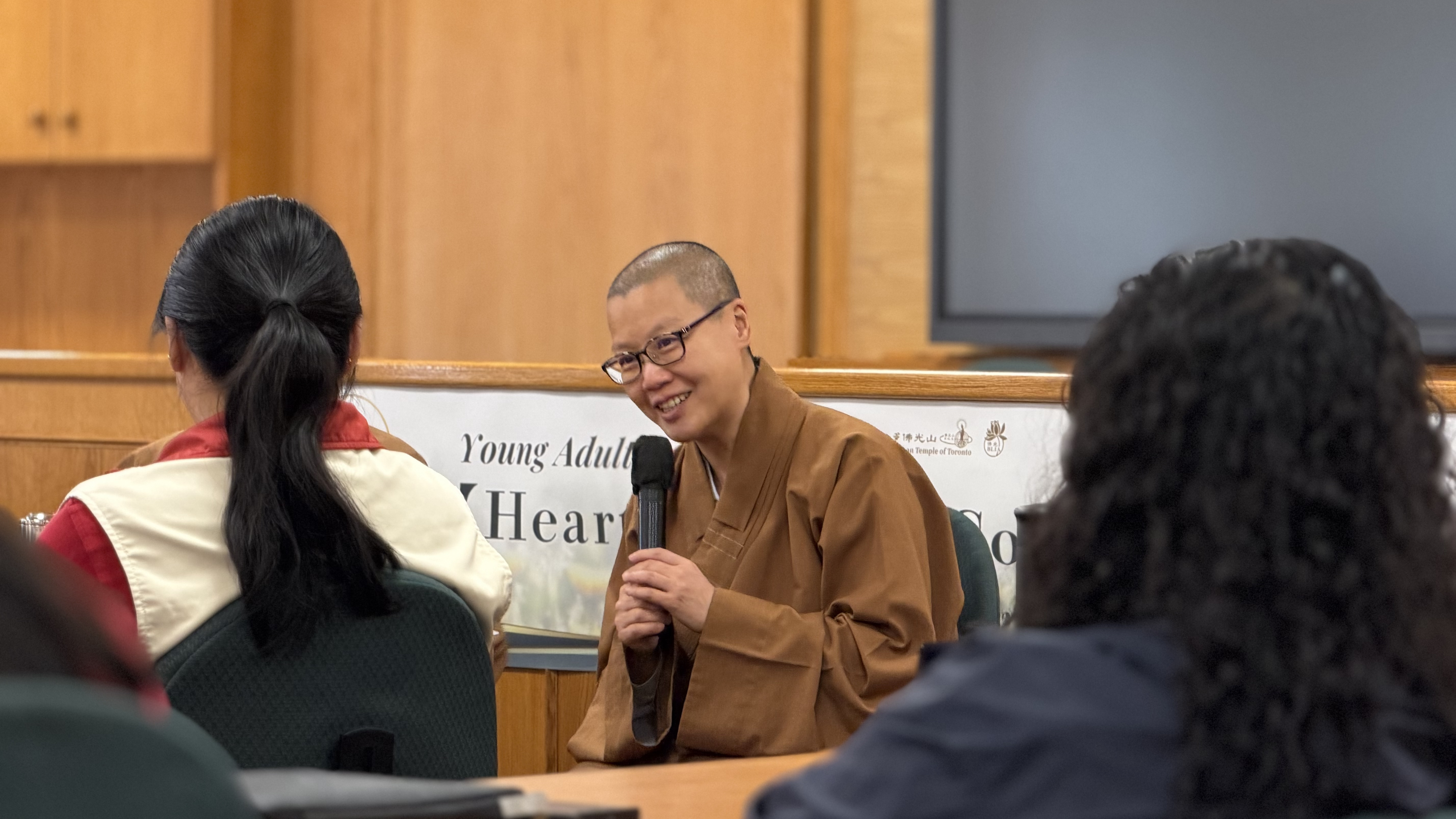
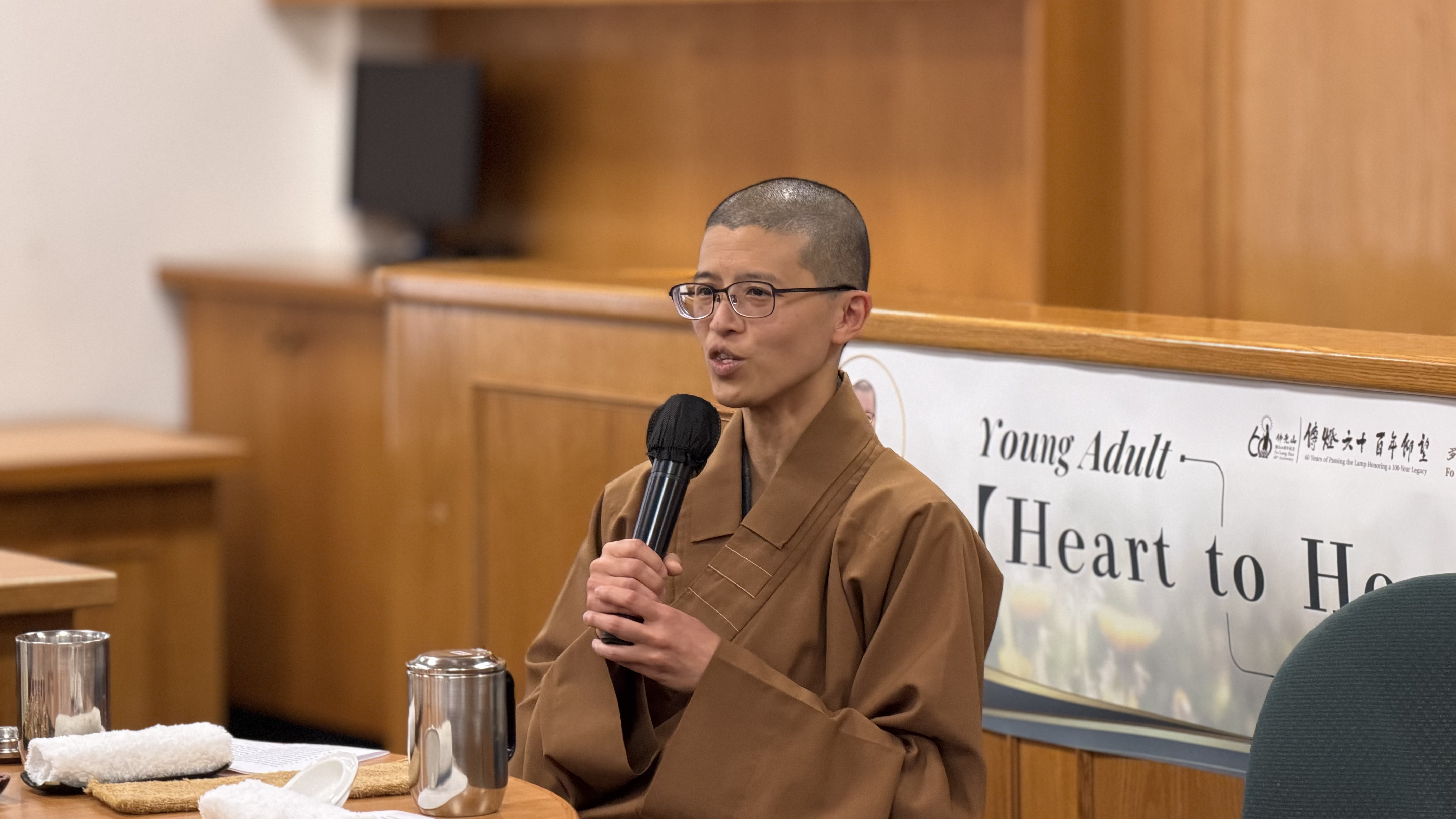
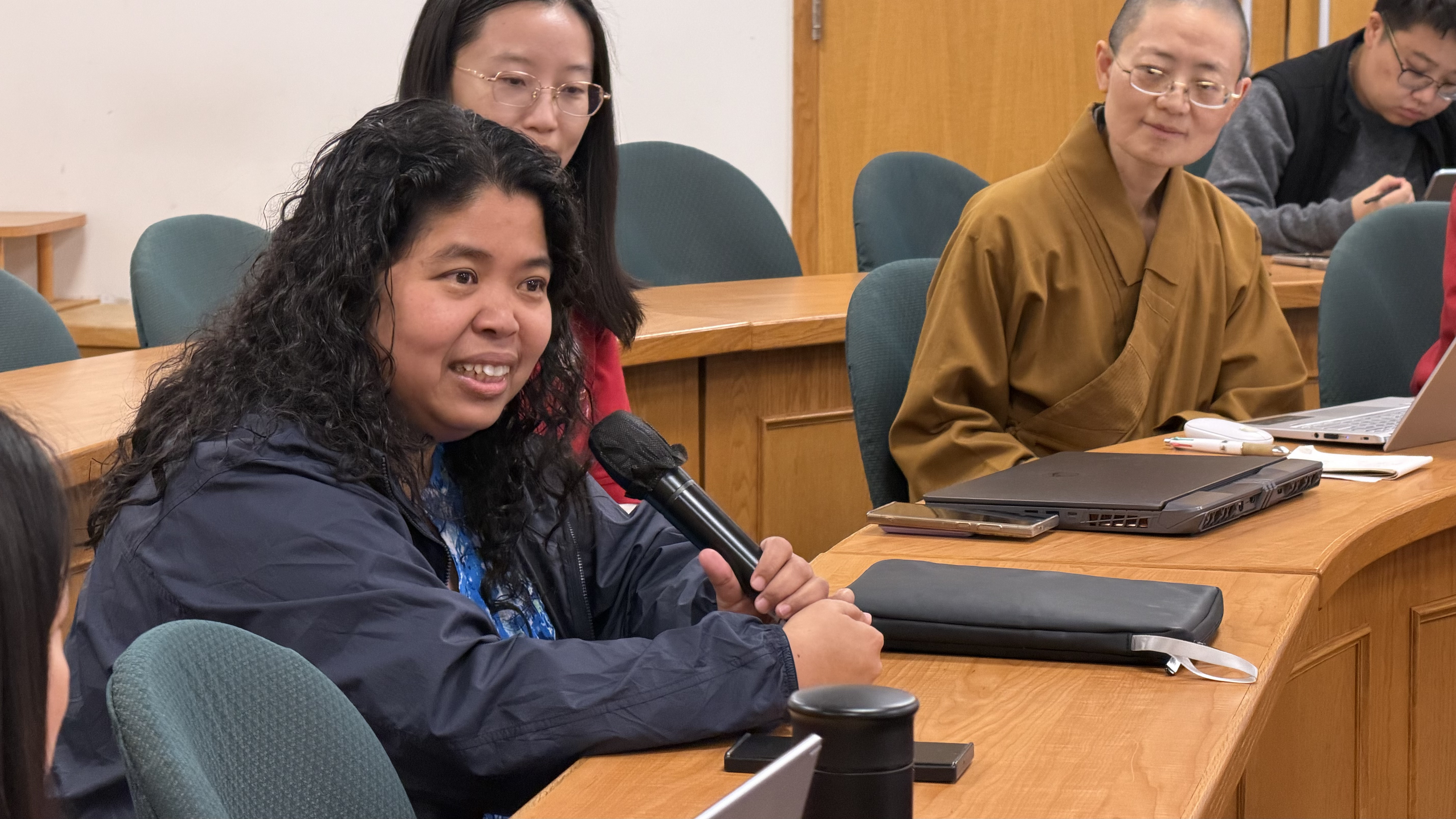
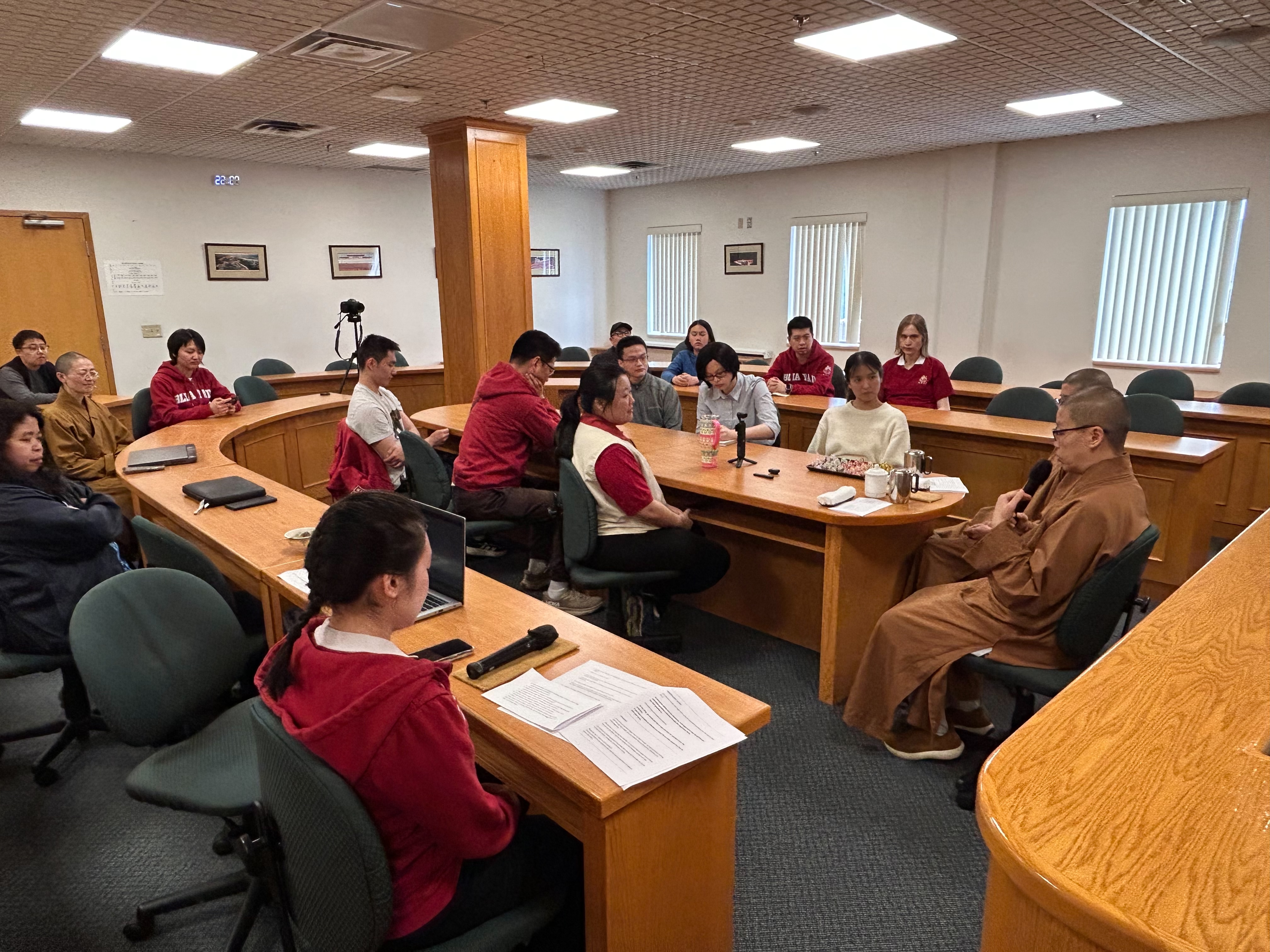
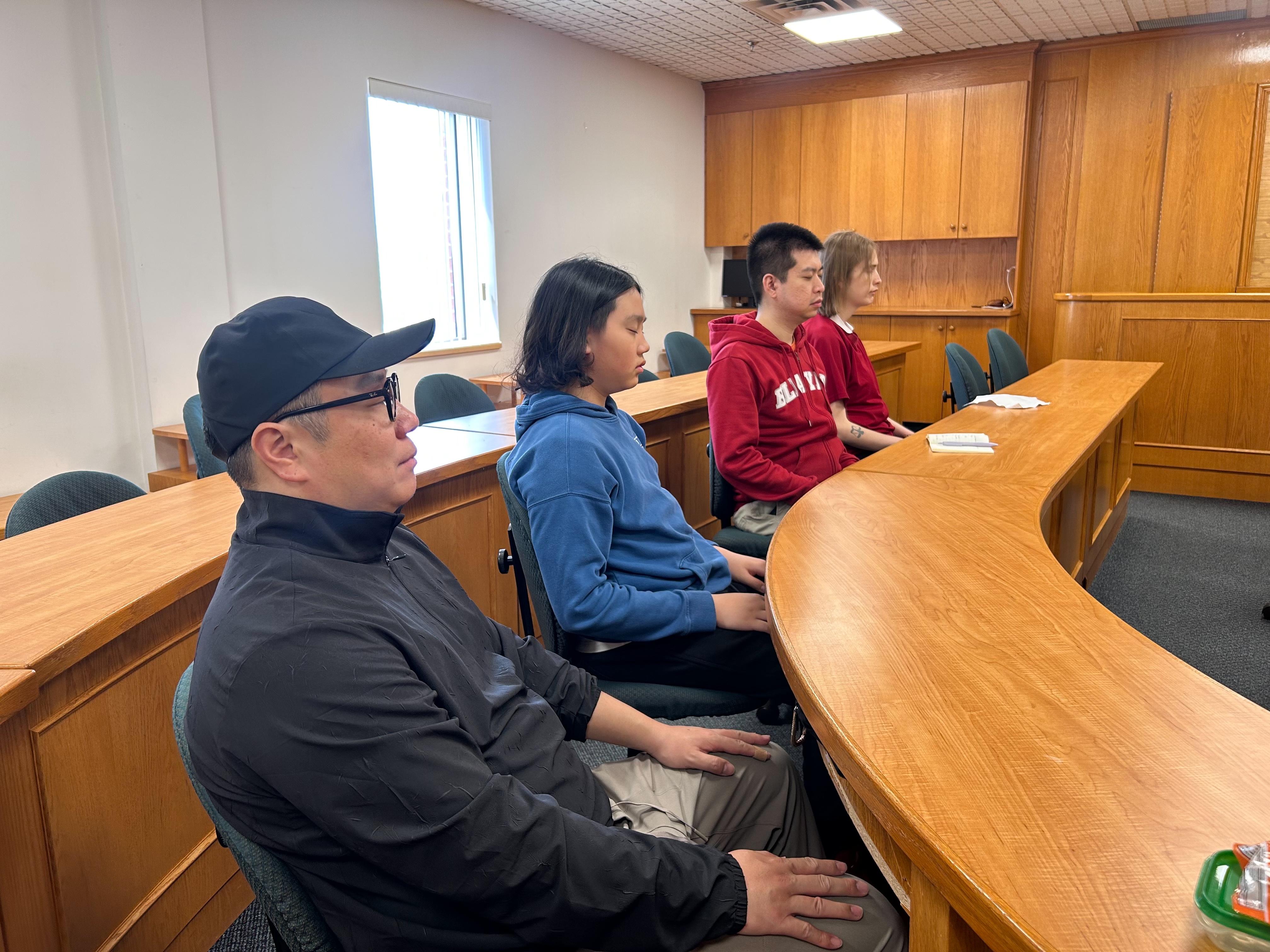
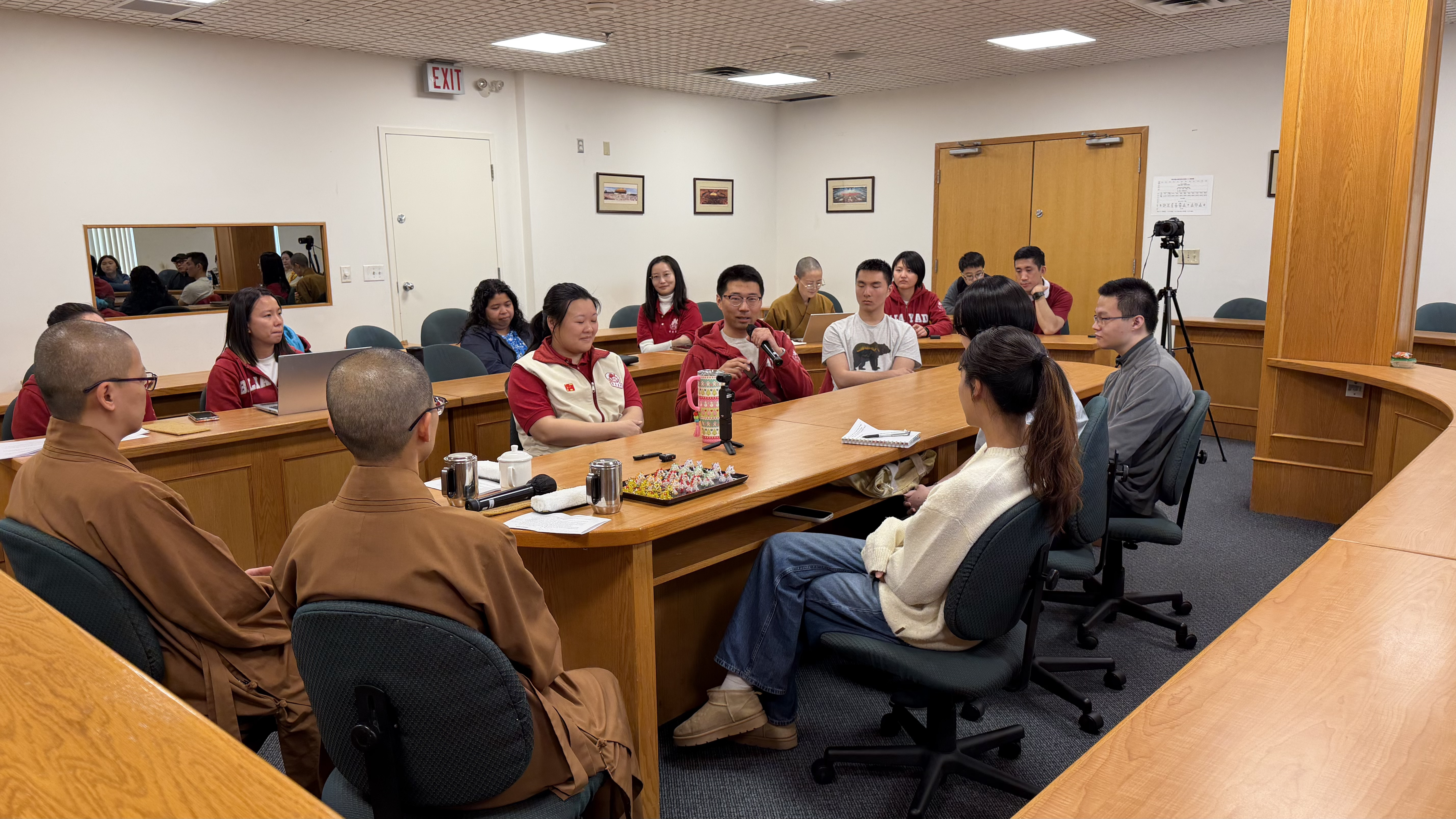
Fo Guang Shan Temple of Toronto hosted a “Young Adult Heart to Heart Connection with Venerables” dialogue on May 9, bringing together 15 young adults for an afternoon of sincere conversation on mental wellness, communication, artificial intelligence, and global conflict through the lens of Humanistic Buddhism.
The English-language session featured Venerable Miao Guang and Venerable You Zai, who encouraged participants to listen, reflect, and share while exploring how Buddhist wisdom can offer guidance amid the pressures and uncertainties of modern life.
Many participants came from bilingual and multicultural backgrounds and reflected on how to cultivate understanding within Canada’s diverse society. Venerable Miao Guang shared that meaningful communication goes beyond words to include intention, awareness, and compassion. Through compassionate communication, she explained, people from different cultures and perspectives can build greater understanding even amid disagreement and conflict.
Addressing the growing issue of burnout among young people, Venerable Miao Guang emphasized the importance of mindfulness and staying grounded in the present moment. She encouraged participants to incorporate simple daily practices — such as brief meditation, mindful breathing, and self-awareness — to help manage stress, restore emotional balance, and reconnect with the present.
Venerable You Zai reflected on the Buddhist teaching of generosity, noting that true giving is offering without attachment or expectation of return. Drawing from the Six Paramitas, he explained that compassion and wisdom must be cultivated together, as one without the other remains incomplete.
In response to questions about artificial intelligence, Venerable You Zai encouraged a balanced approach rooted in the Buddhist Middle Way. Rather than fearing or relying entirely on AI, she suggested using technology mindfully and responsibly as a tool to support human wellbeing.
Participants expressed appreciation for the opportunity to engage in open and meaningful dialogue. Hillary Chen shared that the discussion reminded her that “the Dharma is not limited to temples or ceremonies, but can inspire wisdom throughout everyday life.” Isaac Gong reflected that the conversation encouraged him to focus less on anxiety about the future and more on being fully present to the opportunities and relationships before him. Kiana Wong reflected that the question, “What do you hope to leave behind in life?” deeply resonated with her and renewed her appreciation for the Dharma and her aspiration for Buddhist practice.