English


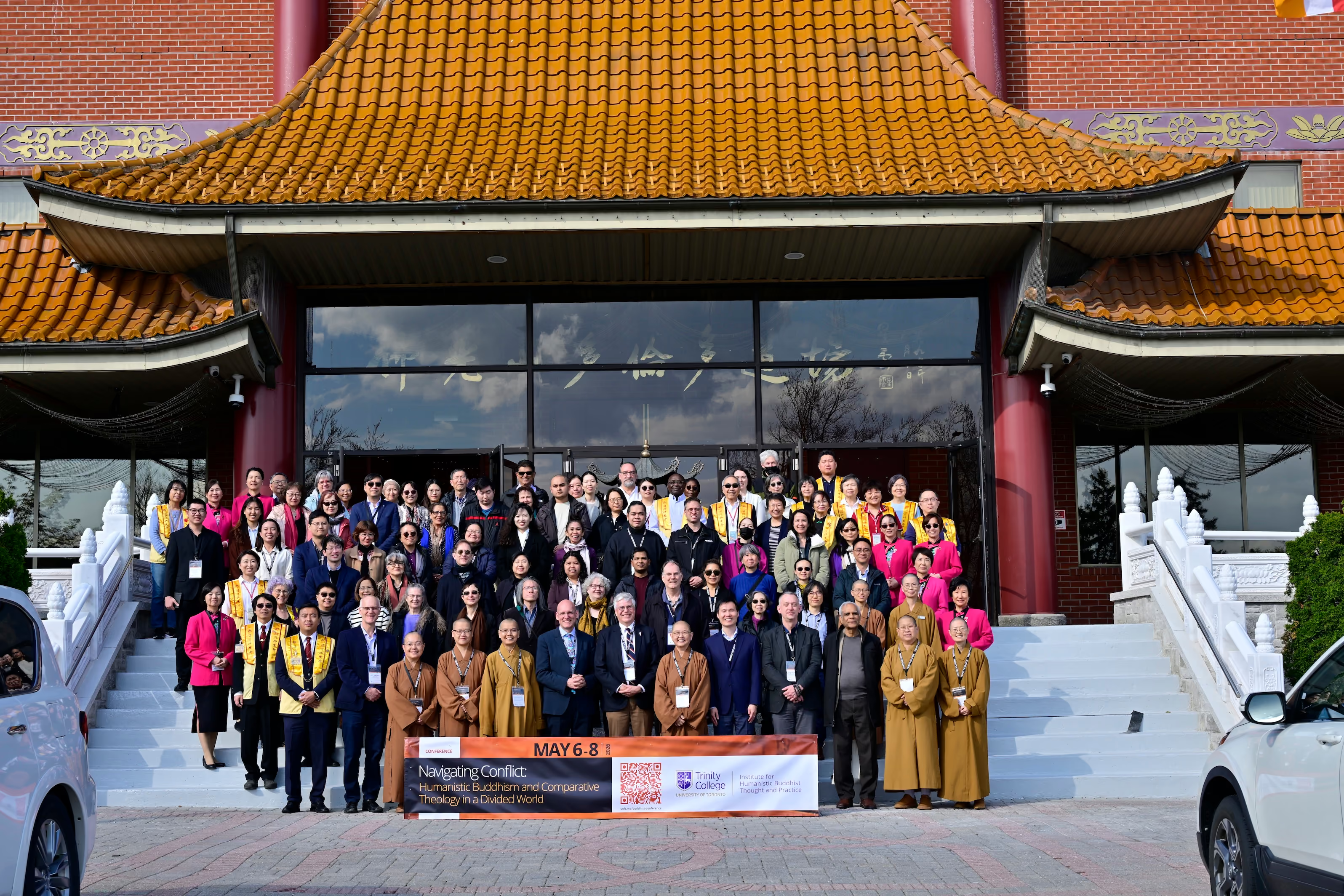
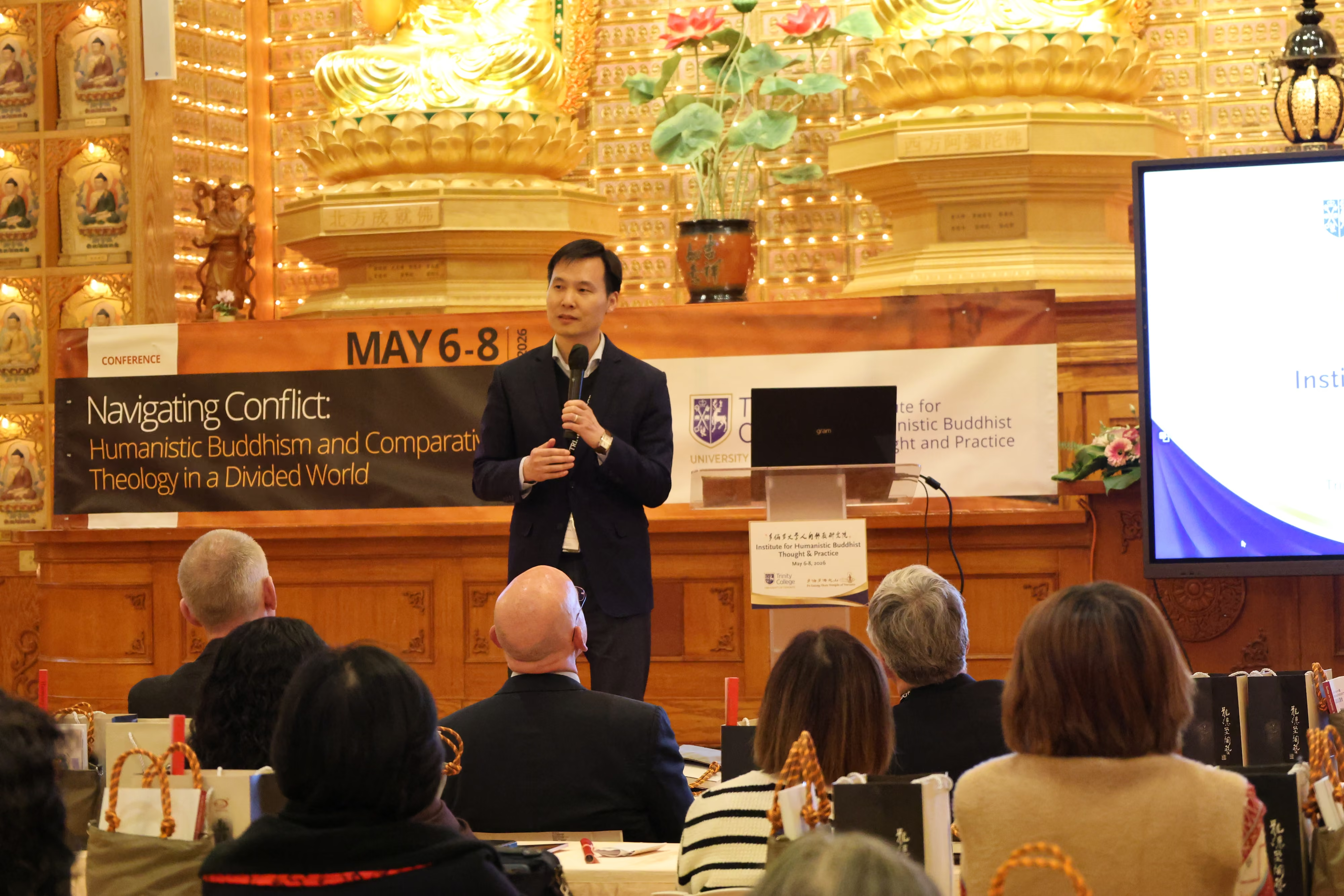
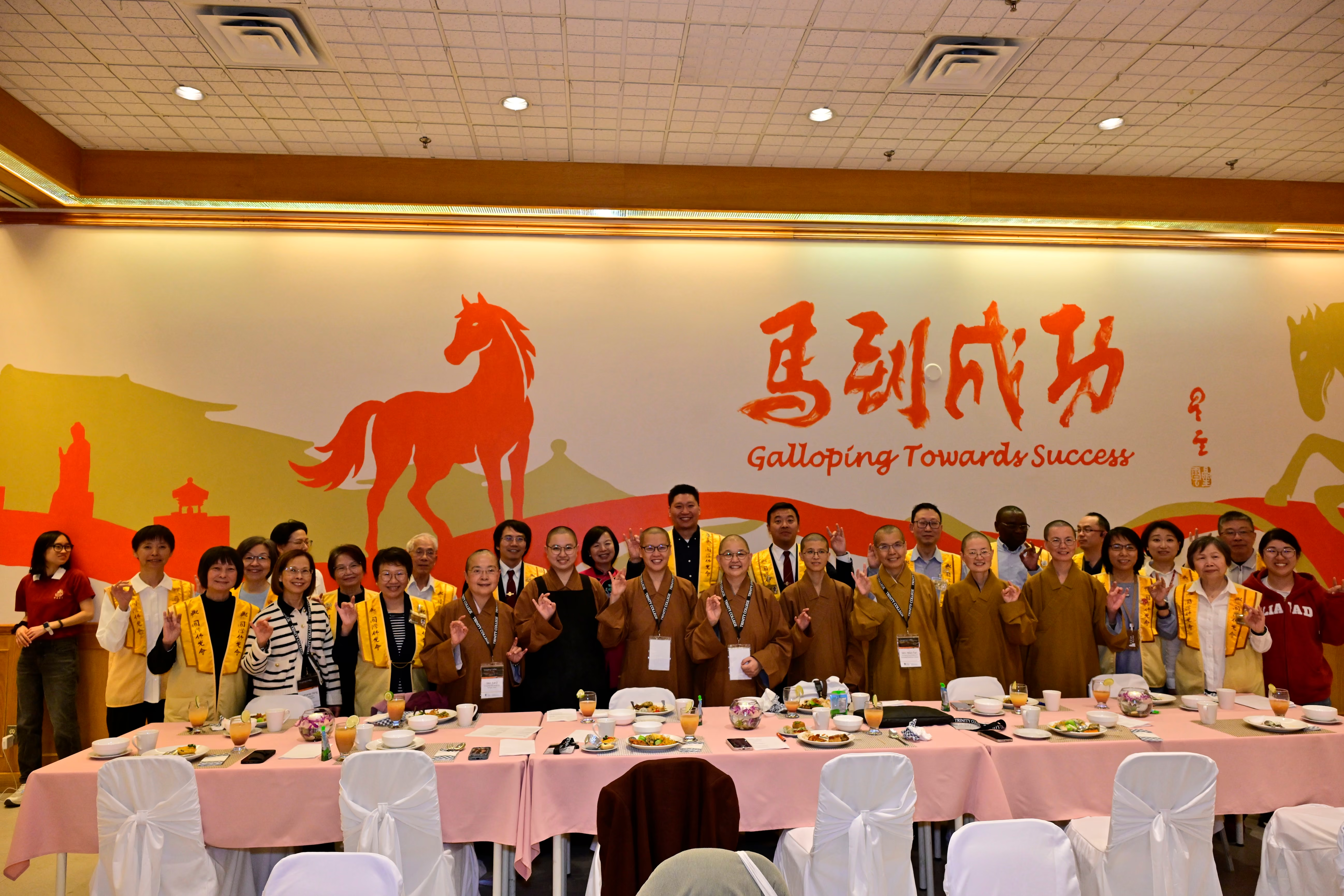
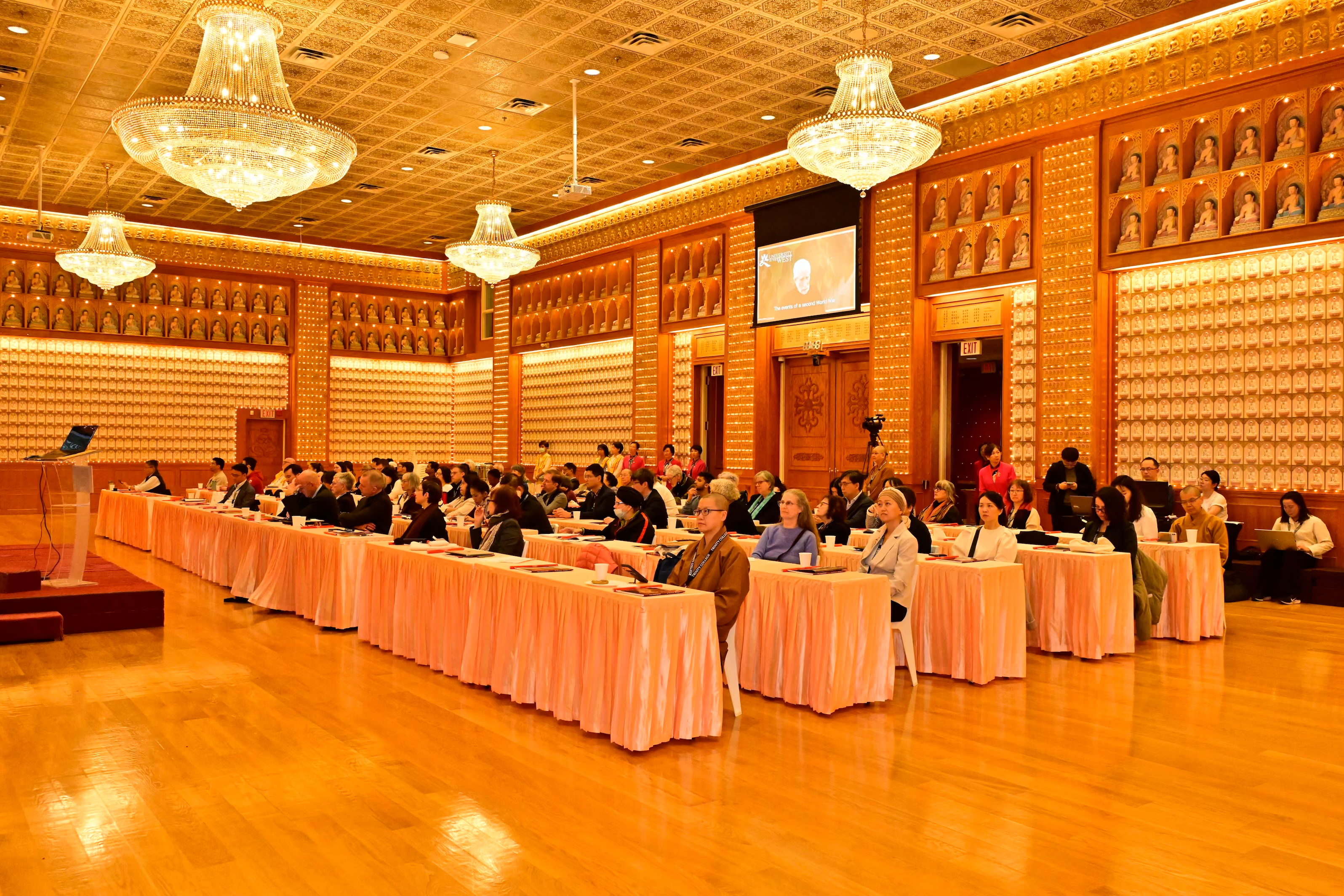
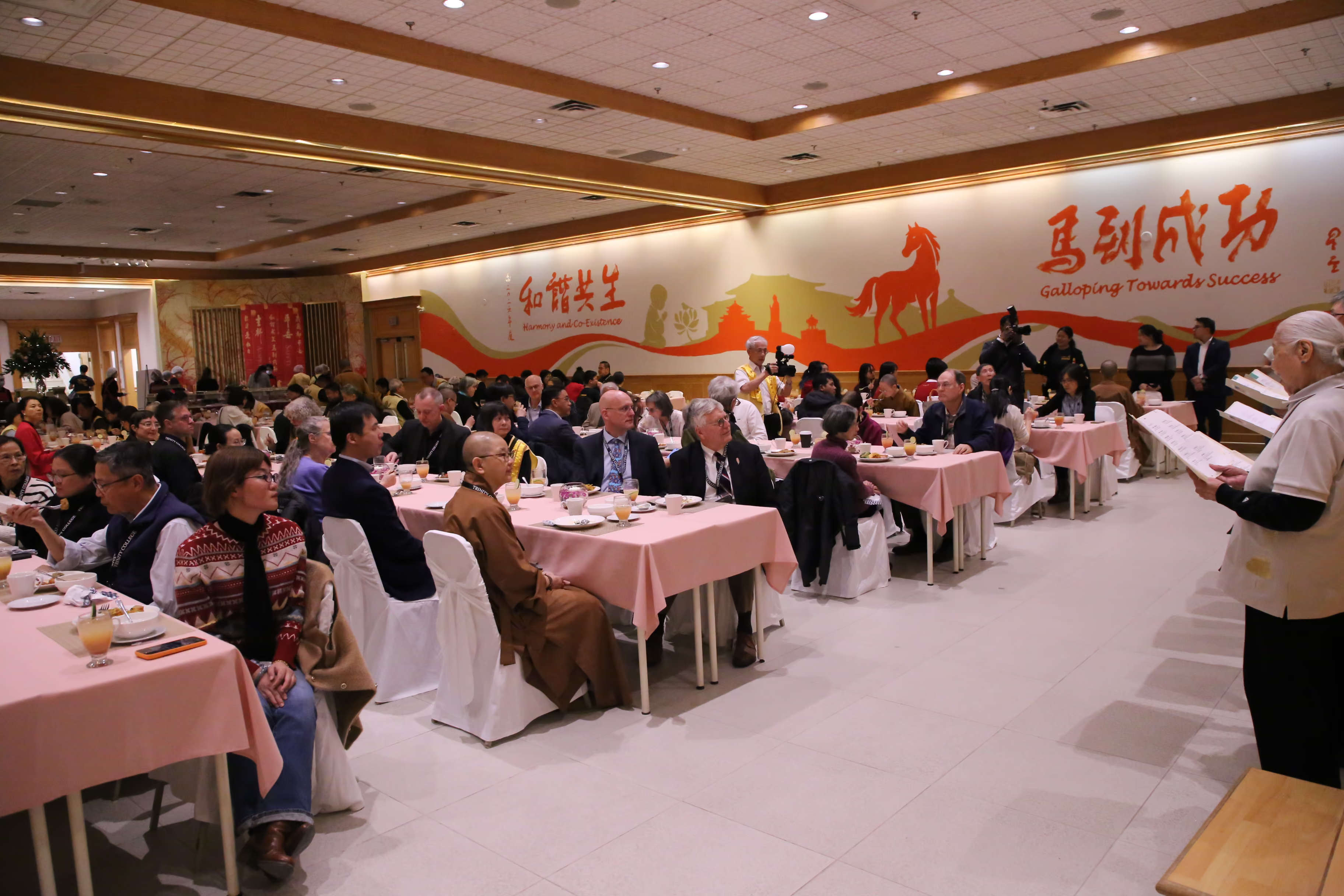
The three-day International Inaugural Conference of the Institute for Humanistic Buddhist Thought and Practice at the University of Toronto concluded on May 8 at Fo Guang Shan Temple of Toronto under the theme “Navigating Conflict: Humanistic Buddhism and Comparative Theology in a Divided World.” The final day featured keynote addresses, academic panels, a closing ceremony, and a vegetarian banquet, bringing together international scholars, theologians, clergy, and religious practitioners for interdisciplinary and interreligious dialogue.
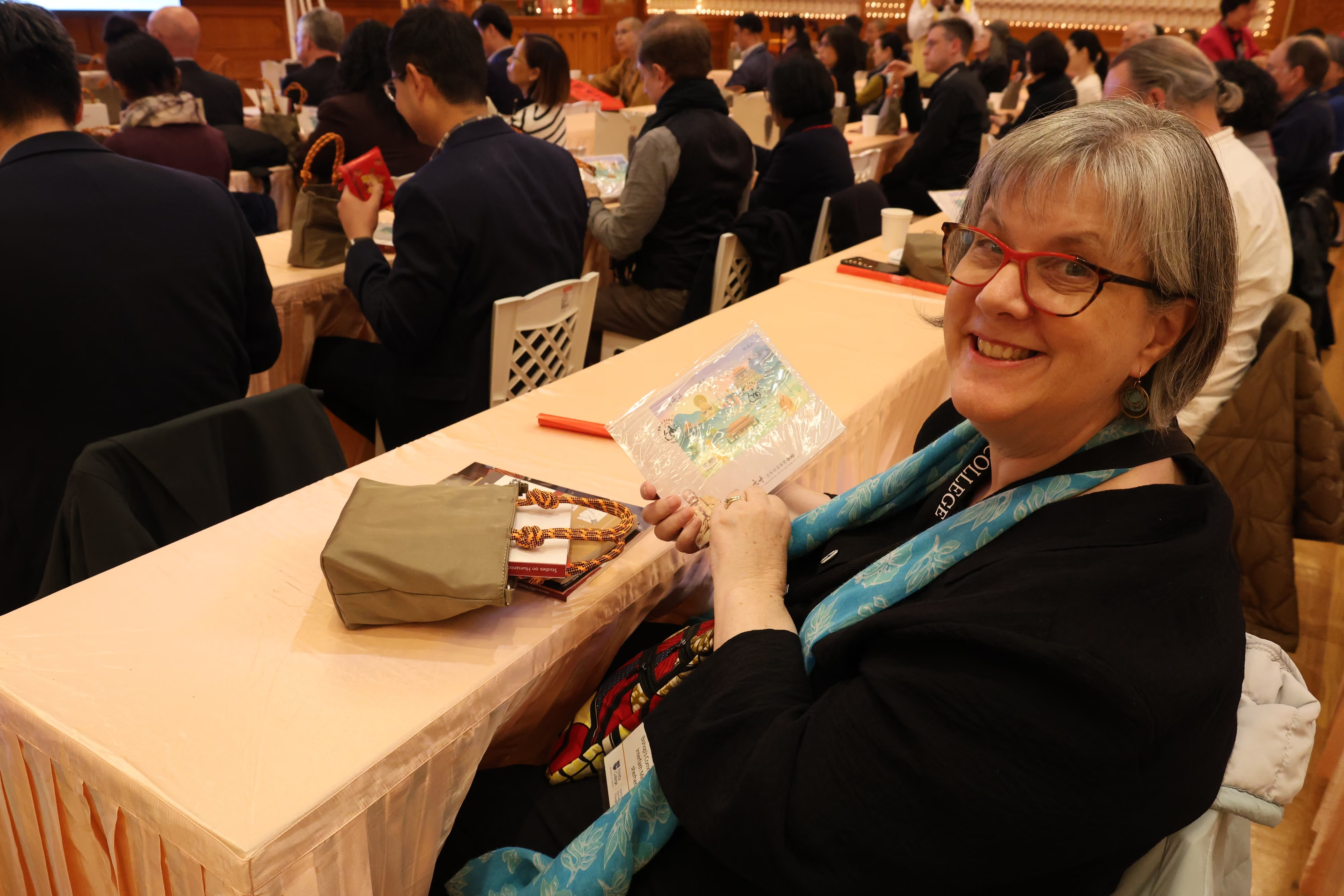
With more than 500 participants attending over three days, the conference marked a significant milestone for the development of Humanistic Buddhism within Canadian higher education and contemporary religious studies. Beyond academic exchange, participants also experienced temple life, Buddhist hospitality, and the spirit of compassionate service embodied in Humanistic Buddhism, reflecting the vision of Venerable Master Hsing Yun to integrate Buddhism into education, culture, daily life, and social engagement.
Rev. Dr. Francis X. Clooney, S.J. reflected on the theme “Humanistic Buddhism: Holding True to the Original Intents of Buddha,” praising Venerable Master Hsing Yun’s adoption of the English term “Humanistic Buddhism.” He noted that the term enabled Buddhist thought to enter global intellectual and interreligious discourse while affirming human dignity, ethical responsibility, and spiritual awakening.
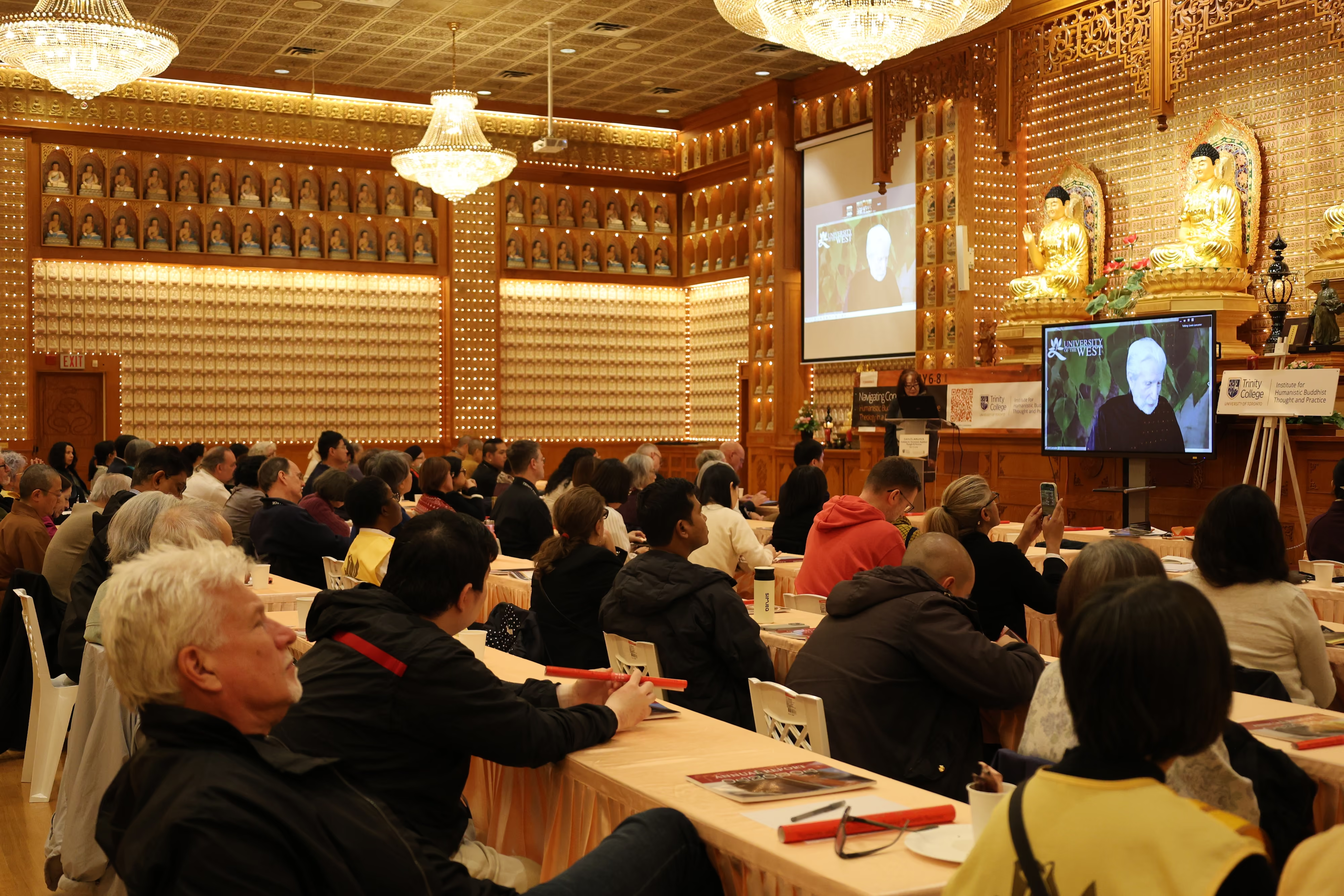
In his keynote address, Dr. Lewis R. Lancaster observed that Humanistic Buddhism has reshaped international interpretations of Buddhism and contributed to the worldwide development of Fo Guang Shan temples. He further emphasized the importance of digital archives and AI-assisted research tools for future comparative religious studies. Responding to the keynote, Venerable Miao Guang remarked that Humanistic Buddhism should be understood within broader historical processes involving migration, modernization, interreligious encounter, and global transformation.
Rev. Dr. Gregory Snyder reflected on Venerable Master Hsing Yun’s teaching “I am Buddha,” emphasizing that compassion must be realized through service to others and engagement with the suffering of society.
Panel Seven, “Practising Humanistic Buddhism in Context,” explored the application of Humanistic Buddhism across religious and cultural settings. Dr. Eleanor Pontoriero examined compassionate action in relation to Humanistic Buddhism, United Nations interfaith initiatives, and “Faith for Earth.” Venerable Jue Qian shared how the Fo Guang Shan Humanistic Buddhism Reading Association cultivates listening, reflection, collective learning, and self-awareness in response to contemporary life challenges. Dr. Joy Lidu Yi explored cross-religious translation and visual representation in Buddhist traditions.
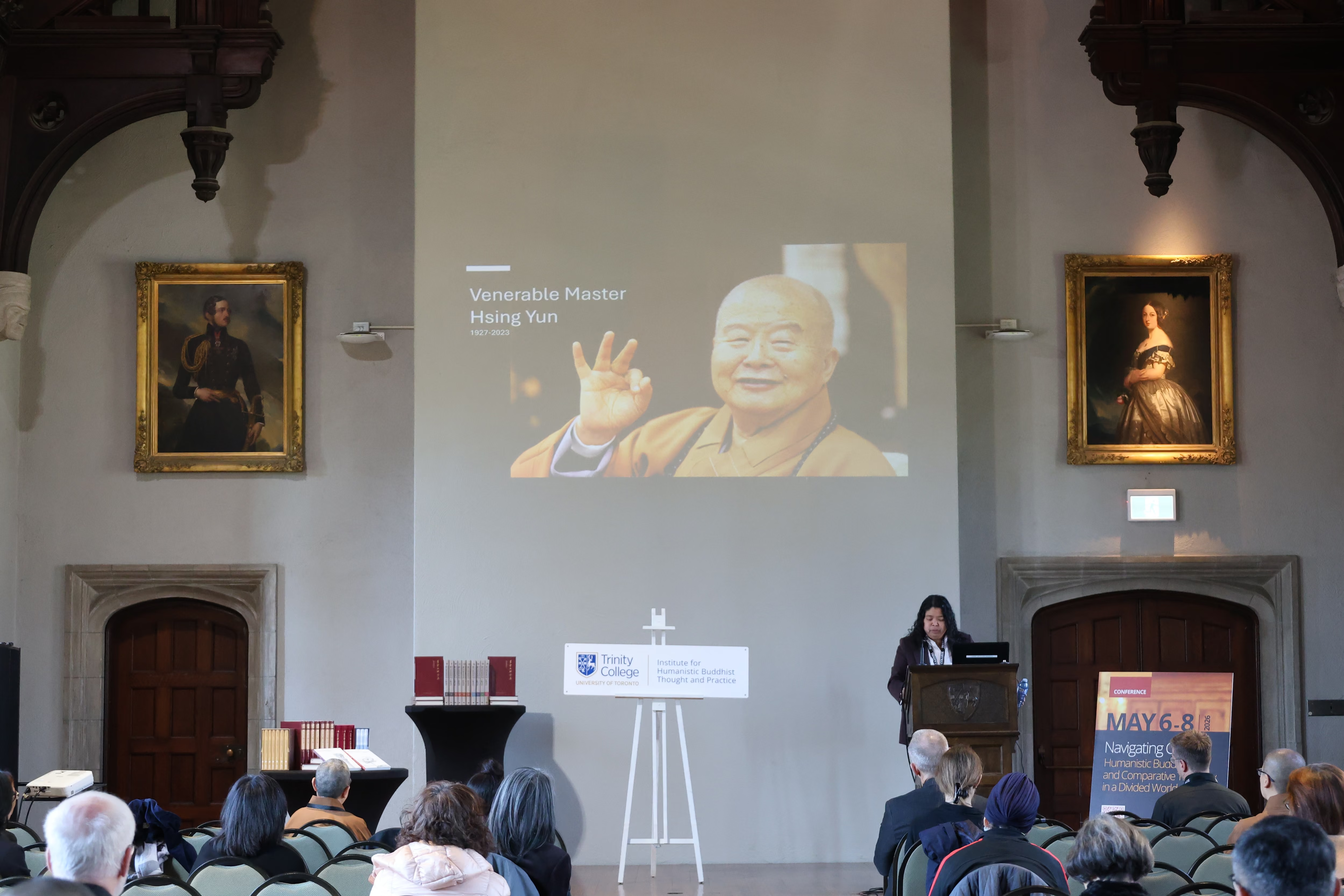
During the closing ceremony, participants viewed presentations introducing Venerable Master Hsing Yun’s educational vision and the significance of Fo Guang Shan’s Four Objectives in the practice of Humanistic Buddhism. Venerable Chueh Fan described the collaboration between Trinity College, University of Toronto and Fo Guang Shan as not only an academic partnership, but also a convergence of shared values, spiritual aspirations, and lived practice grounded in “the practice of faith.”
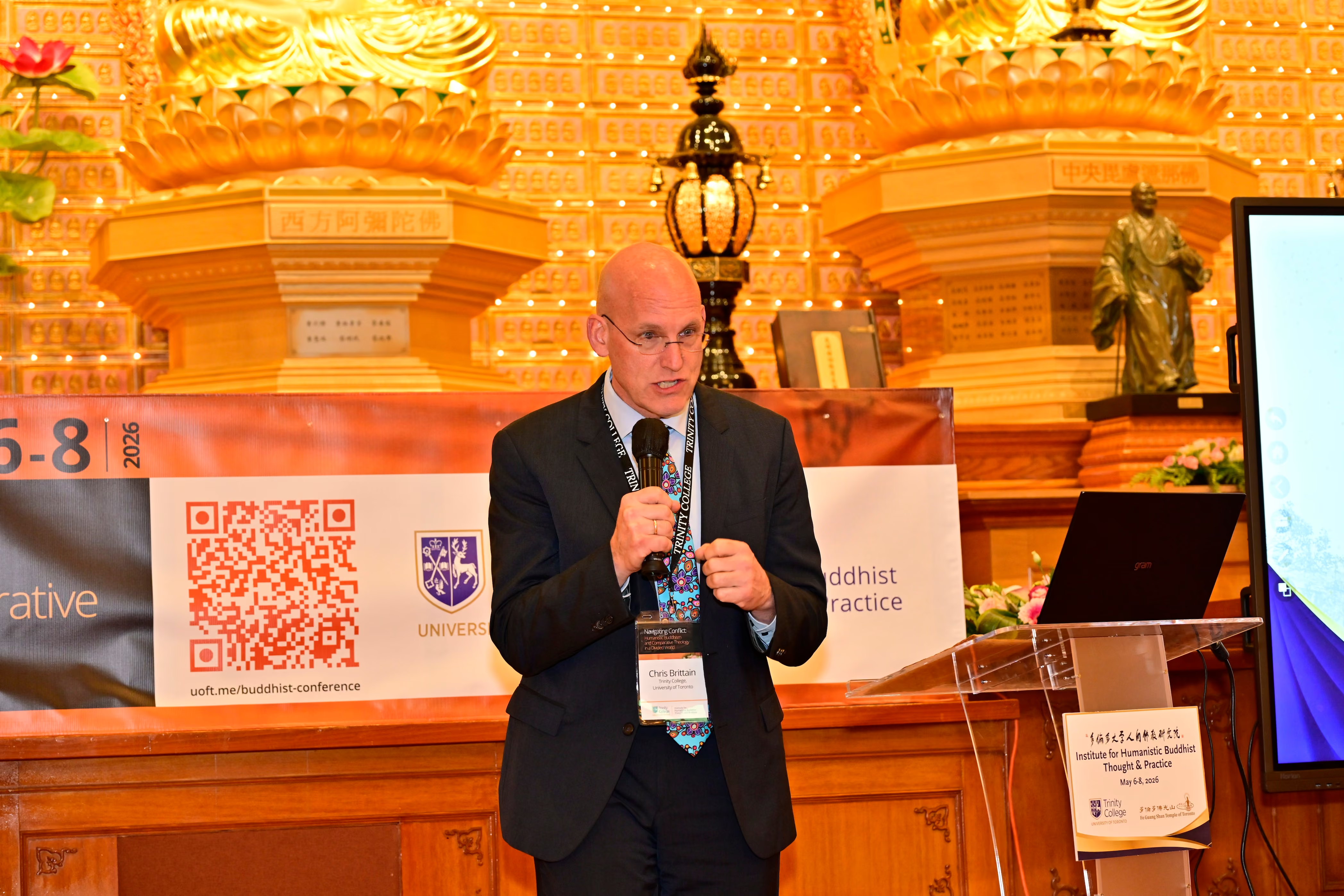
Dr. Nicholas Terpstra attended the full conference, while Christopher Brittain described the partnership as the beginning of a meaningful academic and spiritual journey. Dr. Jizhang Yi noted that the conference fostered a shared intellectual community grounded in listening, reflection, and transformative dialogue across religious, cultural, and disciplinary boundaries.
In closing remarks, Venerable Miao Fan expressed hope that the institute would continue advancing compassion, wisdom, service, and coexistence through education and global interreligious engagement.
%E6%84%9F%E8%AC%9D%E6%89%80%E6%9C%89%E5%AD%B8%E8%80%85%E5%85%B1%E5%90%8C%E6%88%90%E5%B0%B1%EF%BC%8C%E5%A6%99%E5%85%89%E6%B3%95%E5%B8%AB(%E5%B7%A6)%E4%BB%8B%E7%B4%B9%E5%B8%B8%E4%BD%8F%E7%B2%BE%E5%BF%83%E6%BA%96%E5%82%99%E3%80%8C%E5%82%B3%E7%87%88%E5%85%AD%E5%8D%81%E3%83%BB%E7%99%BE%E5%B9%B4%E4%BB%B0%E6%9C%9B%E3%80%8D%E9%83%B5%E7%A5%A8%E7%AD%89%E7%B5%90%E7%B7%A3%E5%93%81%EF%BC%8C%E8%87%B4%E8%B4%88%E8%88%87%E6%9C%83%E5%AD%B8%E8%80%85%E3%80%82.avif)