English


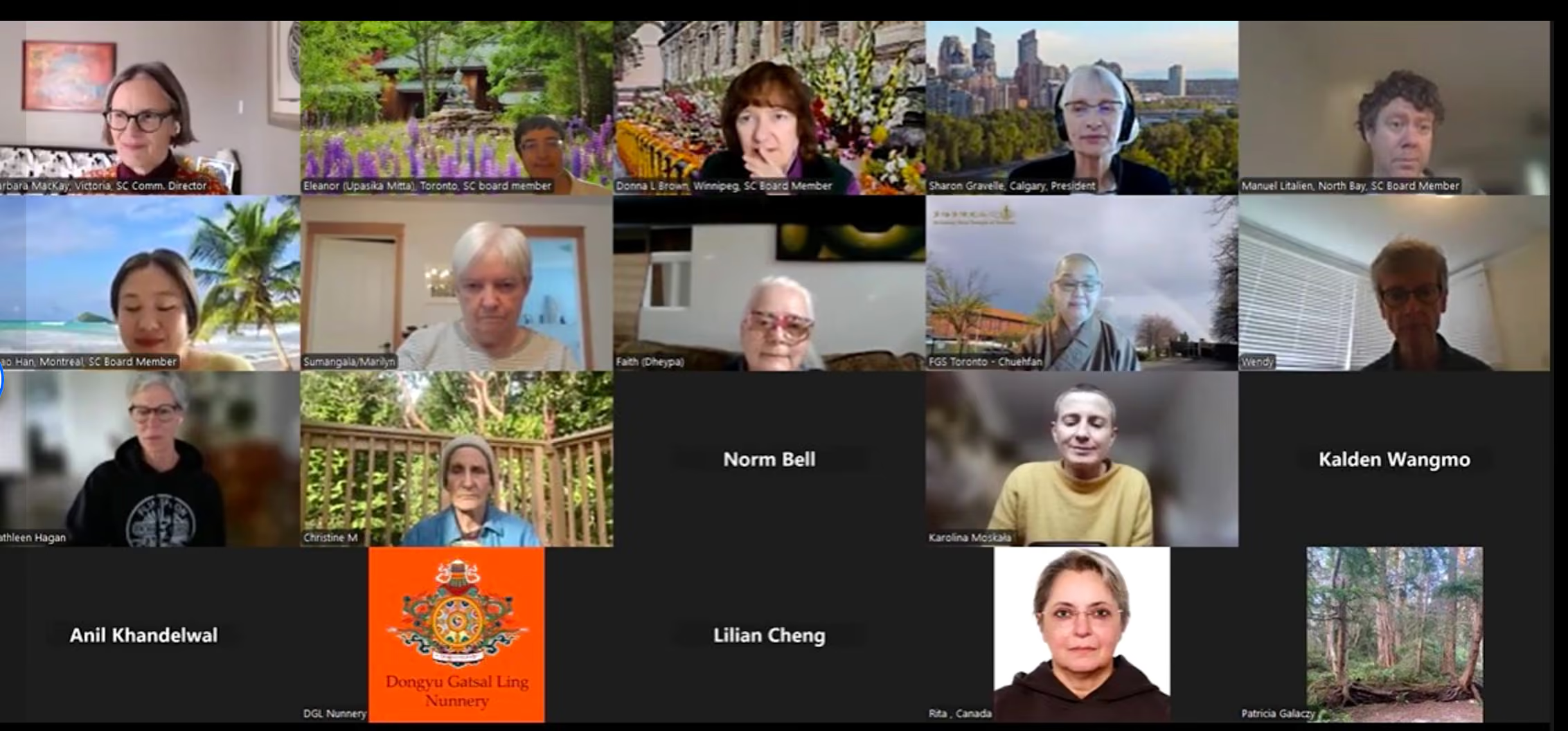
To mark Vesak Day, the Sakyadhita Canada Association of Buddhist Women hosted an online symposium on May 23 under the theme “Community, Commitment, and Practice.” More than 30 participants representing diverse Buddhist traditions across Canada gathered to explore the role of Buddhist leadership, service, and spiritual practice in contemporary society.
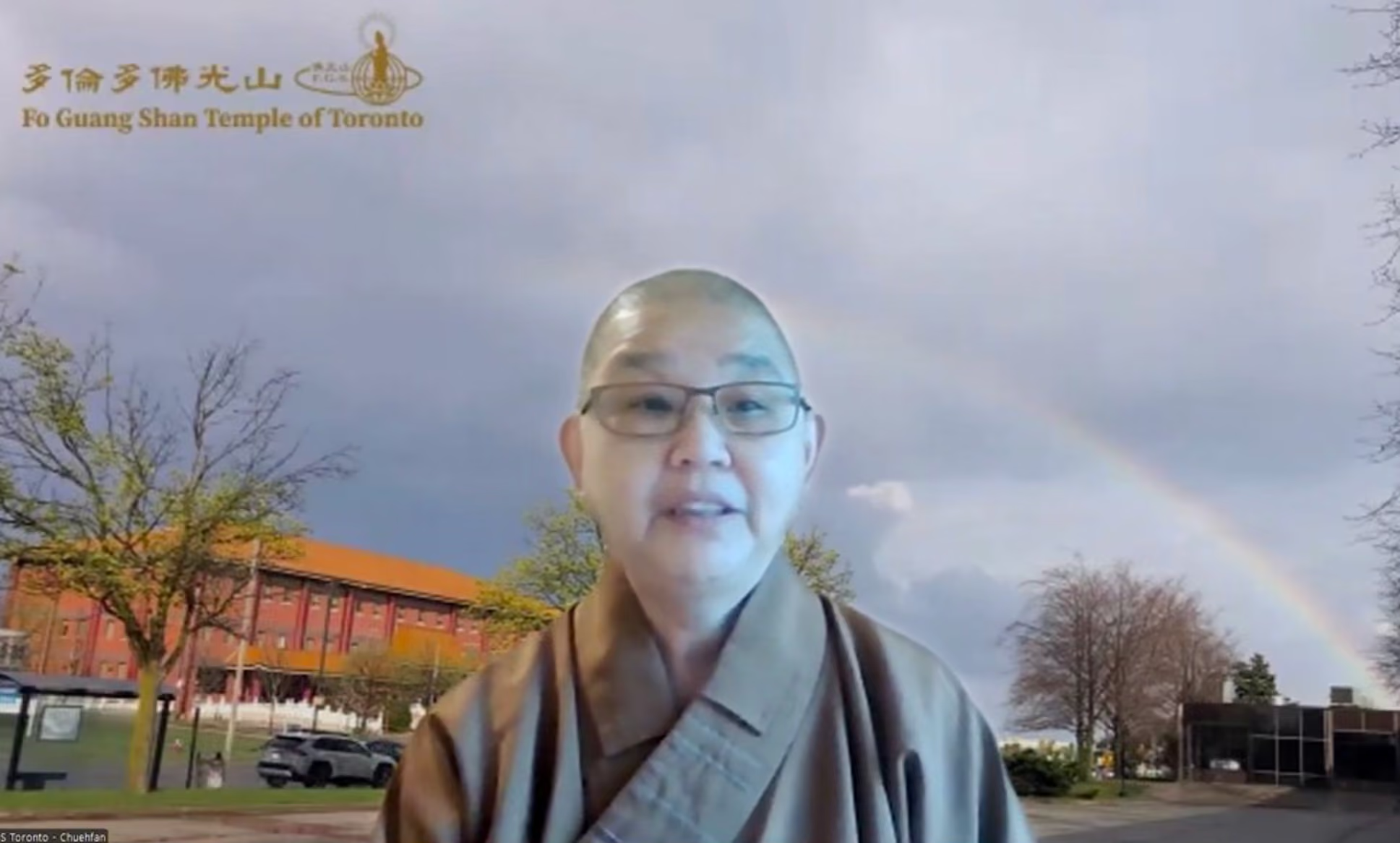
Among the featured speakers was Venerable Chueh Fan, Abbess of Fo Guang Shan Temple of Toronto, who was invited as a panelist to share her reflections on Buddhist leadership and community engagement. She emphasized that compassion remains at the heart of Buddhist service and noted that Buddhist women—both monastic and lay—have long demonstrated wisdom, dedication, and care in supporting their communities.
Reflecting on her years of Dharma work, Venerable Chueh Fan acknowledged that challenges and setbacks are an inevitable part of serving others. She explained that Buddhist teachings on cause and effect, together with an understanding of impermanence, provide valuable guidance for navigating difficulties with resilience, clarity, and compassion.
Another keynote speaker, Jetsunma Tenzin Palmo, the renowned Tibetan Buddhist nun who spent twelve years in solitary retreat in a Himalayan cave, praised Sakyadhita’s longstanding efforts to support Buddhist women and broaden participation within the Buddhist world. She noted that the organization has helped bring greater diversity and vitality to contemporary Buddhism. Addressing the opportunities and challenges of modern society, she encouraged participants to engage with current research on the mind and consciousness, exploring how such insights may complement Buddhist approaches to cultivating compassion, wisdom, and social harmony.
The symposium concluded with a lively question-and-answer session. Responding to questions about the relevance of Buddhism in today’s world, Venerable Chueh Fan highlighted Fo Guang Shan’s Humanistic Buddhism, which seeks to bring Buddhist principles into everyday life through education, culture, spiritual cultivation, and community service. Quoting Fo Guang Shan founder Venerable Master Hsing Yun, she noted that “Humanistic Buddhism is Buddhism,” emphasizing the importance of making Buddhist teachings accessible and relevant to contemporary society through service, understanding, and meaningful human connection.