English


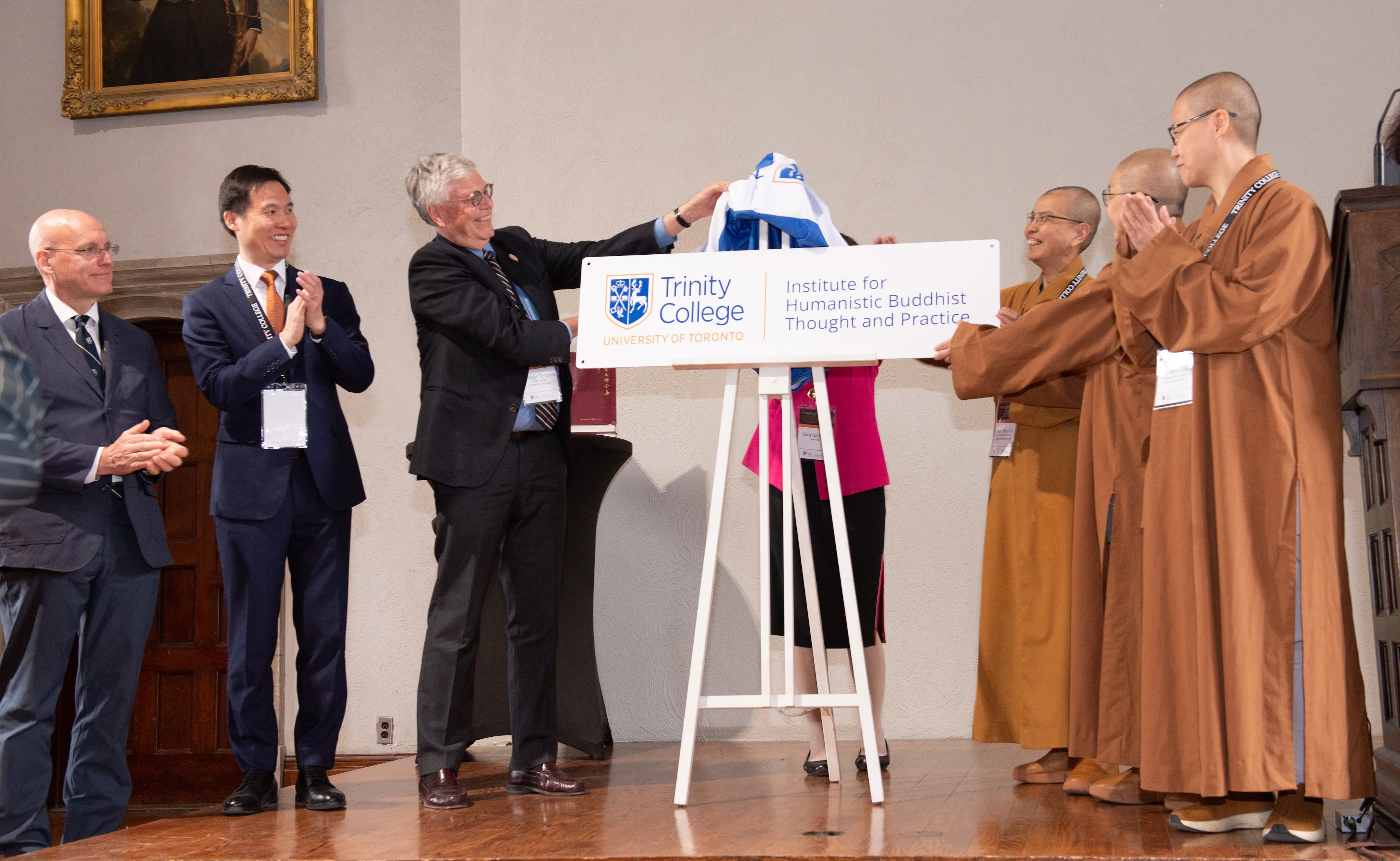
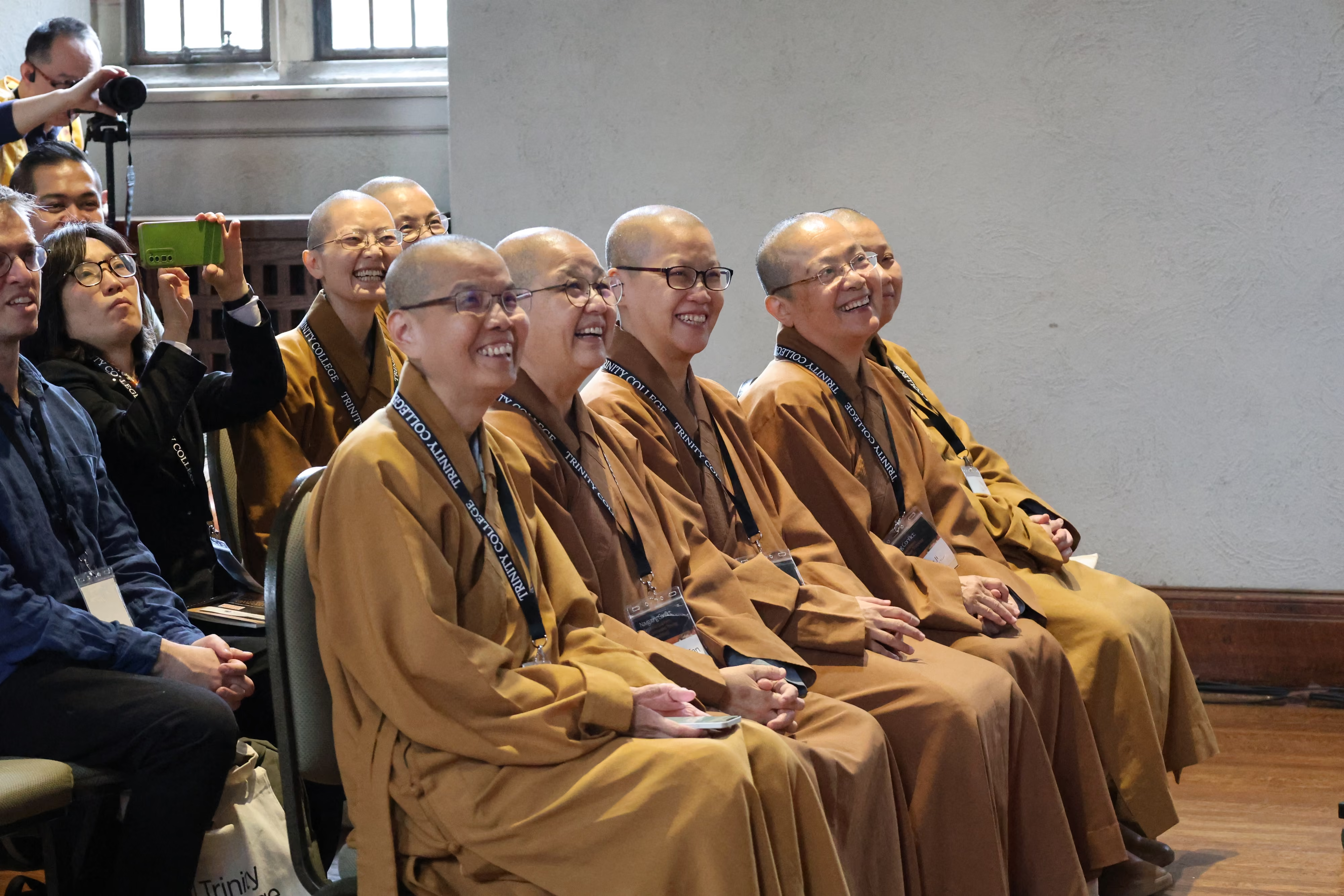
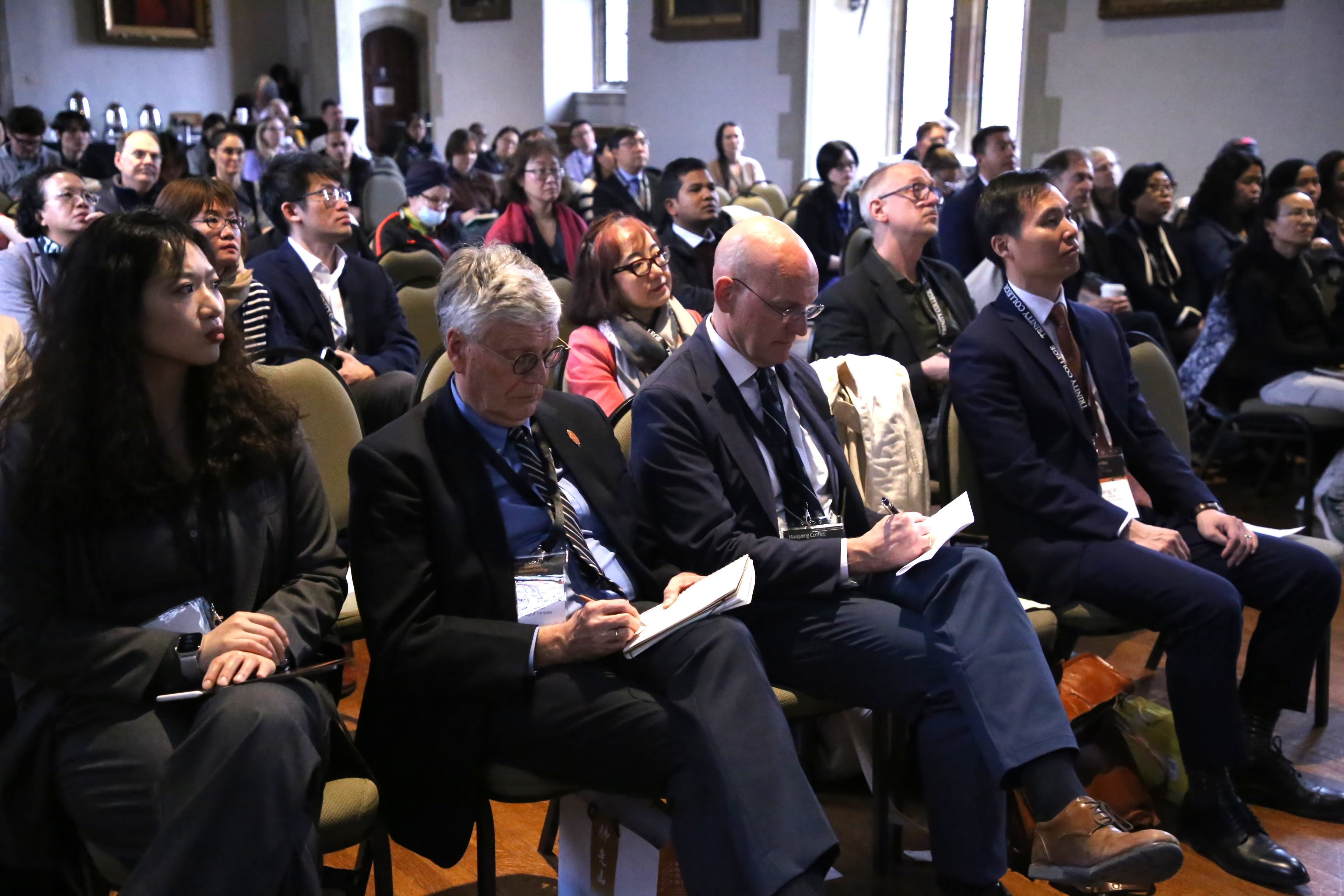
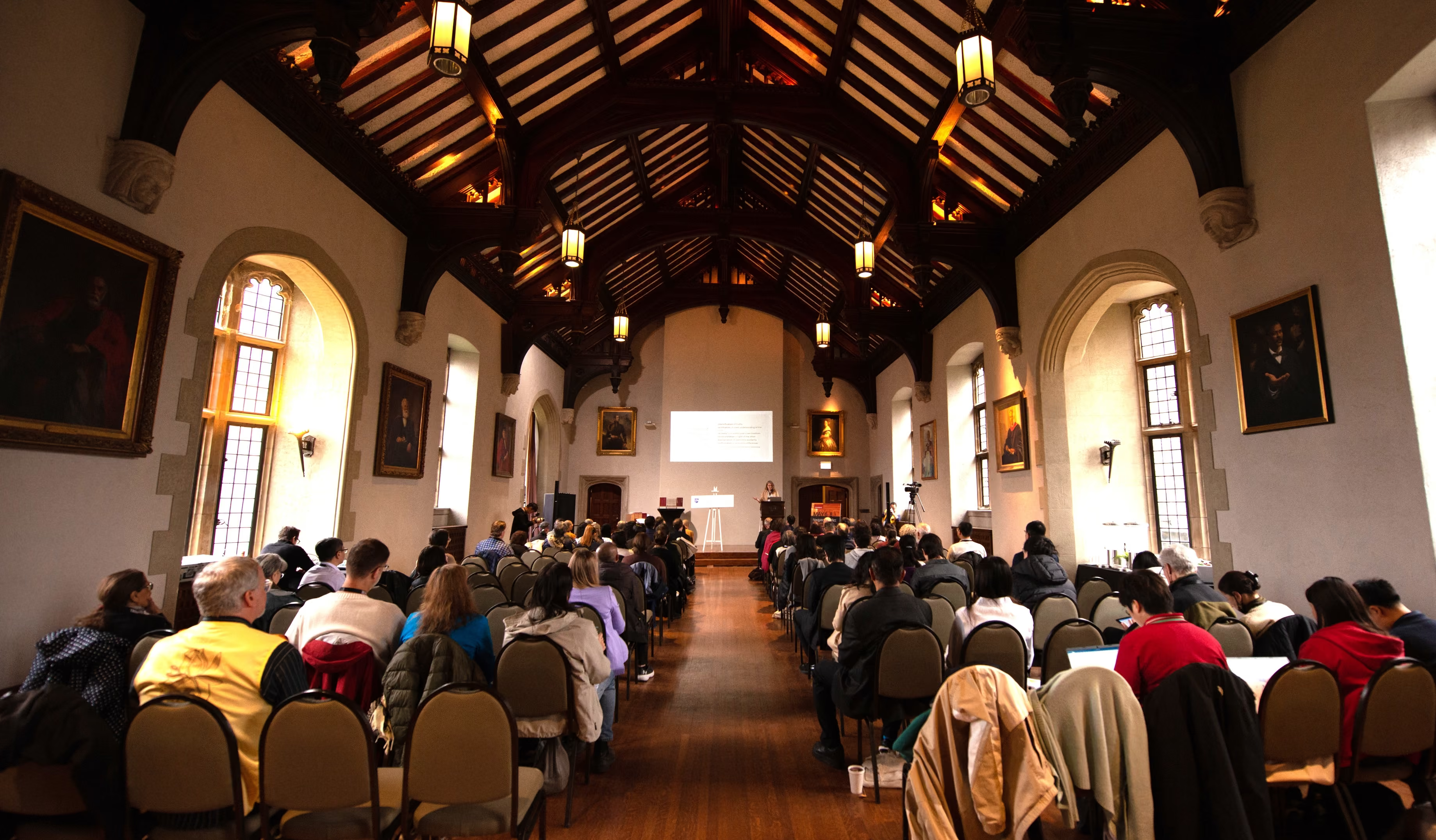
A major milestone in the international academic development of Humanistic Buddhism was marked on May 6 with the official opening and unveiling ceremony of the Institute for Humanistic Buddhist Thought and Practice at Trinity College. Jointly established by Trinity College and Fo Guang Shan, the institute welcomed more than 200 scholars, religious leaders, faculty members, students, and distinguished guests to witness the historic occasion.
Founded in 1851, Trinity College is one of Canada’s oldest theological institutions and has long played a leading role in theological and humanities education. The establishment of the institute represents the first Buddhist-centered academic institute in Trinity College’s 175-year history and marks a significant advancement for Buddhist studies, comparative theology, and interreligious dialogue within North American higher education.
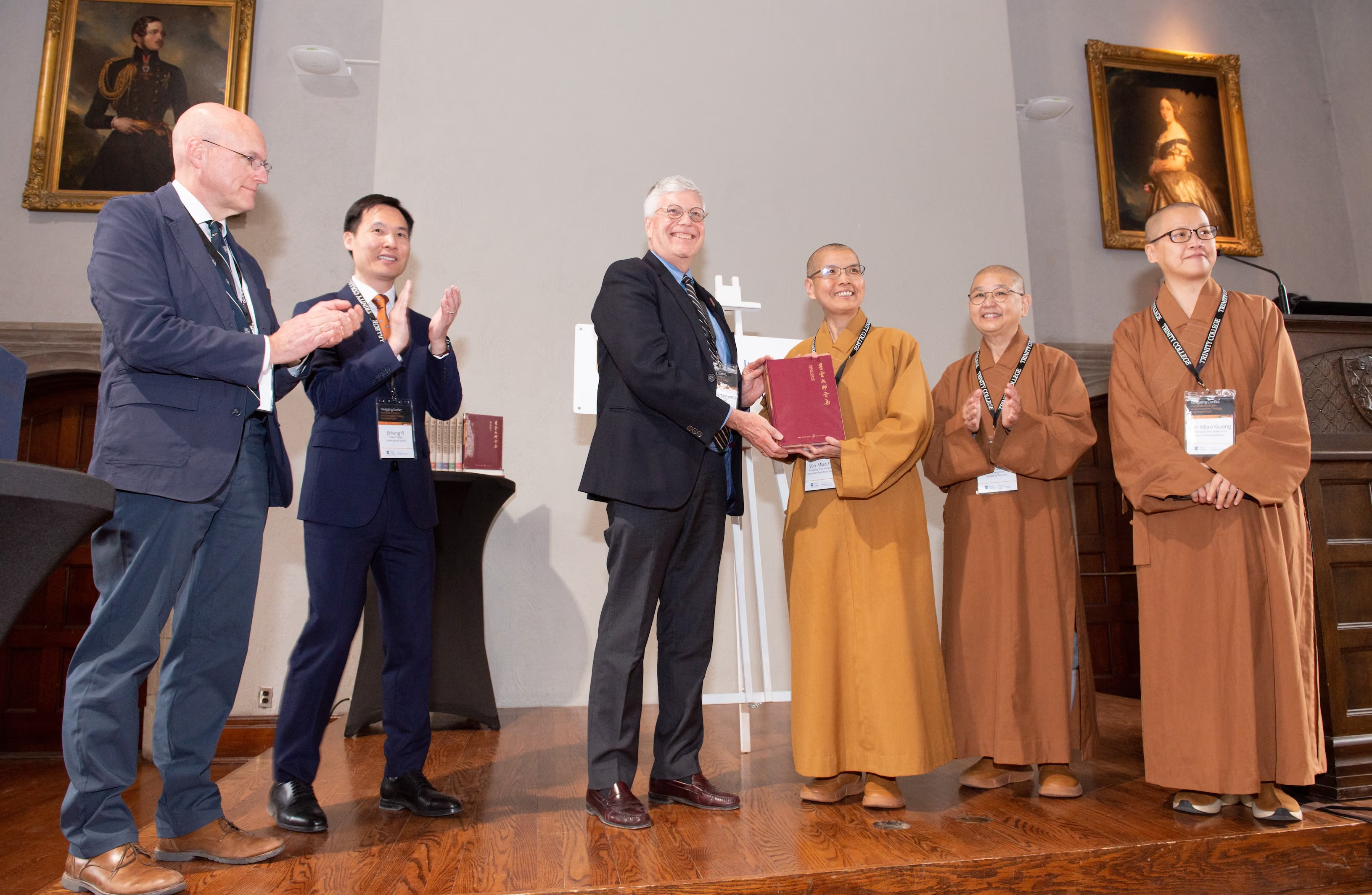
During the opening ceremony, representatives from the Institute for Humanistic Buddhist Thought and Practice and Fo Guang Shan Temple of Toronto presented Chinese and English publications by Fo Guang Shan Founder, Venerable Master Hsing Yun, symbolizing the aspiration to bring the wisdom and values of Humanistic Buddhism into contemporary academic, ethical, and social discourse.
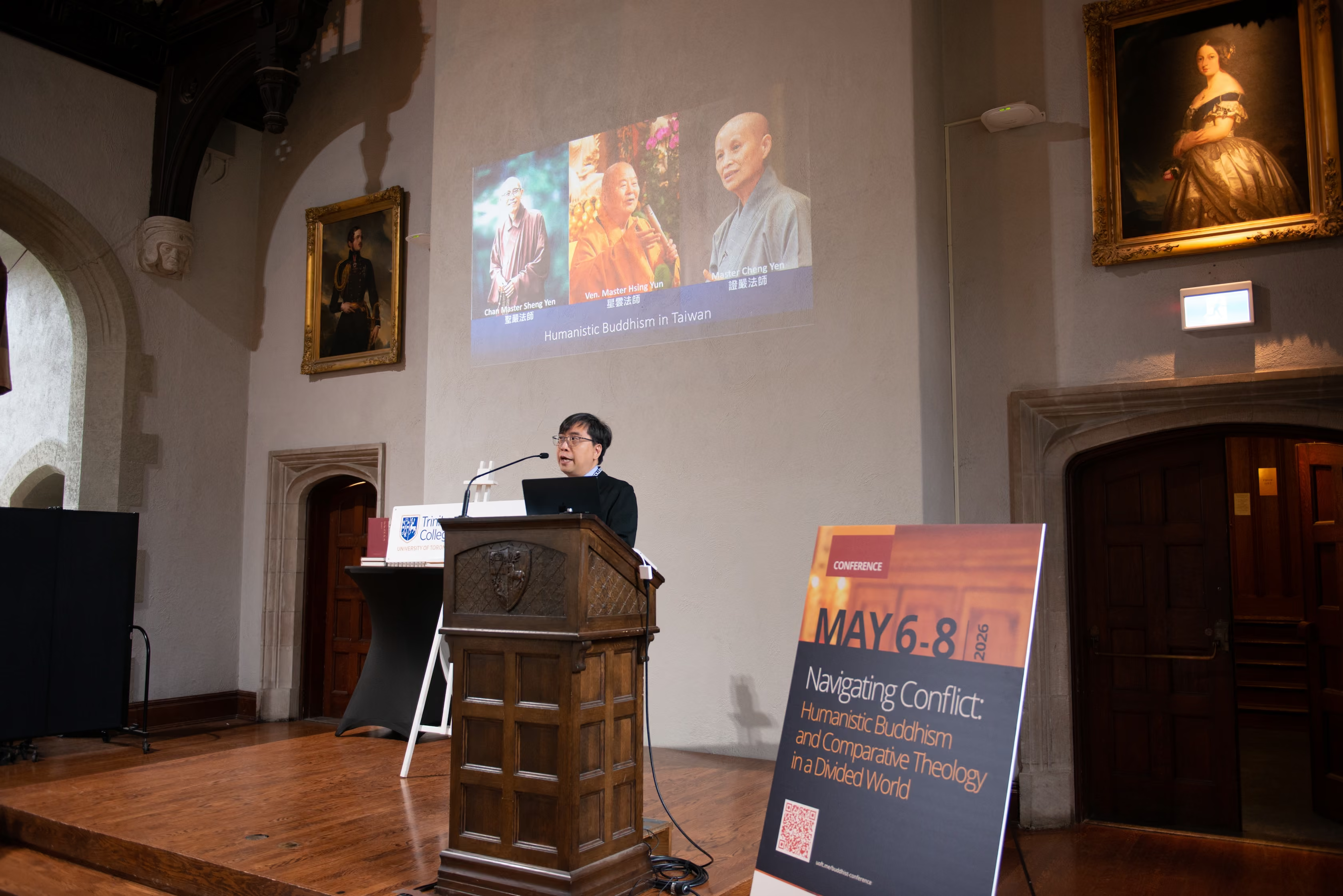
To commemorate the institute’s inauguration, Trinity College launched a three-day International Inaugural Conference themed “Navigating Conflict: Humanistic Buddhism and Comparative Theology in a Divided World.” Nearly 30 scholars from leading institutions, including Harvard University, Columbia University, University of California, Berkeley, the University of Toronto, Emmanuel College, the Chinese Academy of Social Sciences, Fo Guang University, and Nanhua University, gathered to explore themes of Humanistic Buddhism, comparative theology, interfaith dialogue, ethics, and contemporary social engagement.
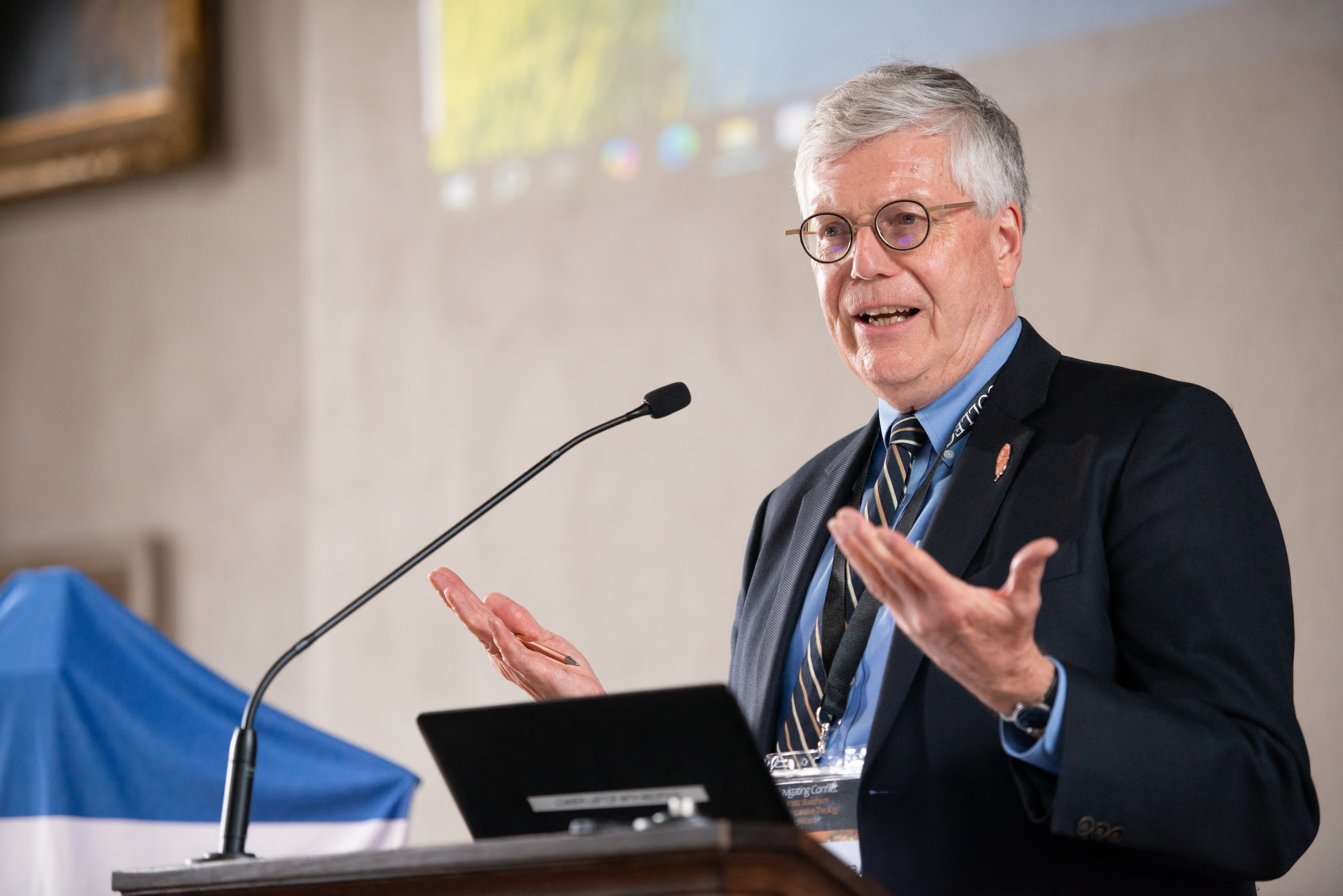
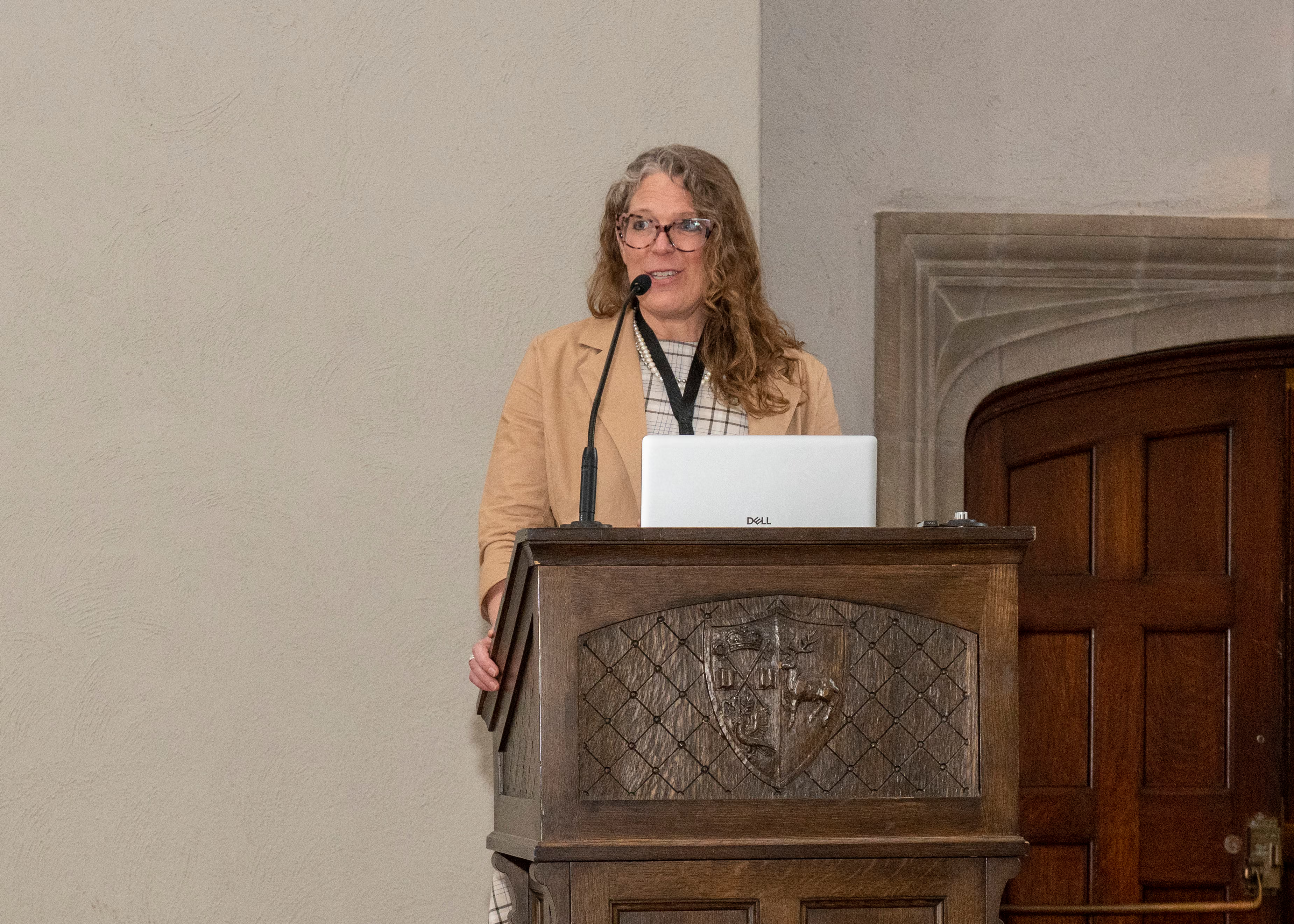
Dr. Nicholas Terpstra, Provost and Vice Chancellor of Trinity College, described the institute as an important step toward long-term intercultural and interreligious collaboration, expressing hope that the partnership would continue “not only for the next three days or three years, but for the next thirty years and beyond.”
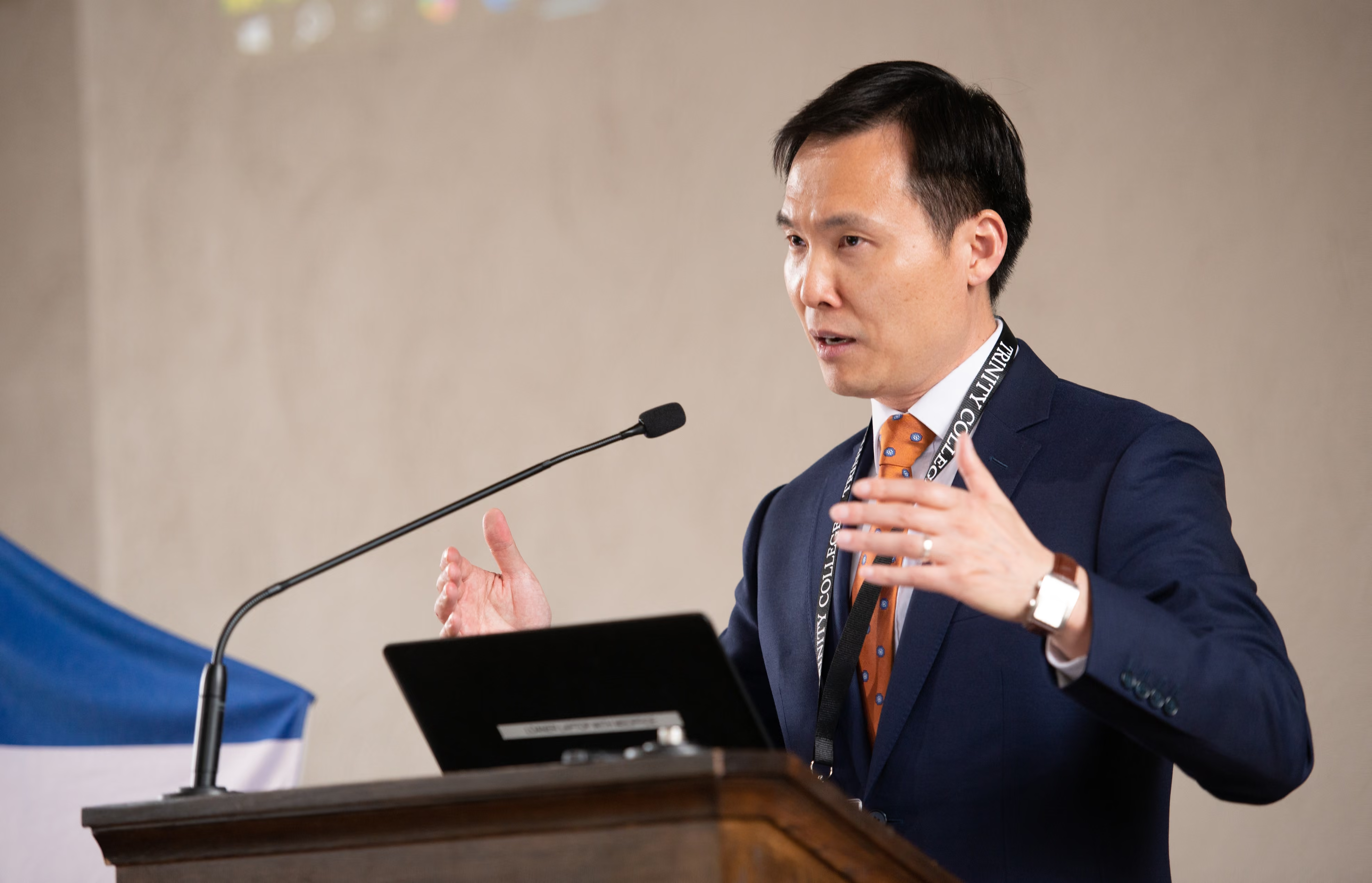
Dr. Jizhang Yi, Founding Director of the Institute for Humanistic Buddhist Thought and Practice, emphasized that the new academic platform aims to bring the wisdom of Humanistic Buddhism into contemporary conversations on ethics, scholarship, and social responsibility.
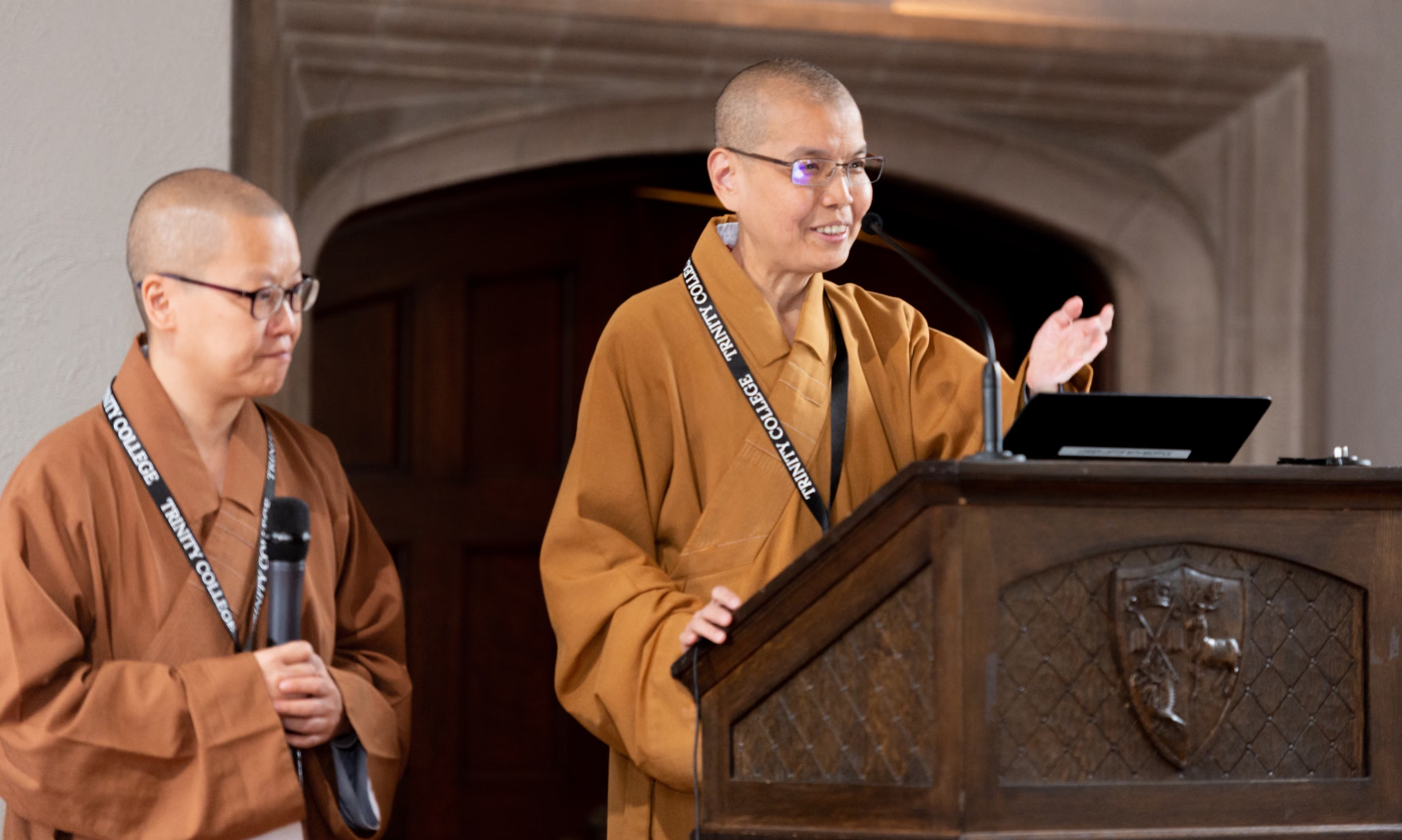
Venerable Miao Fan, Chancellor of the Fo Guang Shan Institute of Humanistic Buddhism, encouraged participants to build bridges of dialogue across religious and cultural differences. Using the imagery of rivers and bridges, she noted that despite differences in traditions and beliefs, humanity ultimately shares the common aspiration for peace and well-being. Referring to the Buddhist story of the “Parrot Saving the Forest Fire,” she further reminded participants that even small acts of compassion can contribute to healing a divided world.
Venerable Chueh Fan, Abbess of Fo Guang Shan Temple of Toronto, described the institute’s establishment as a landmark achievement for Fo Guang Shan’s academic outreach in North America, symbolizing the formal integration of Humanistic Buddhism into Western higher education and contemporary religious studies.
Among the highlights of the conference are keynote addresses by two internationally respected scholars. On May 7, Rev. Dr. Francis X. Clooney, S.J., Parkman Professor of Divinity at Harvard University and a member of the American Academy of Arts and Sciences, will speak on comparative theology and interreligious dialogue. On May 8, Dr. Lewis R. Lancaster, Professor Emeritus at the University of California, Berkeley and a pioneering scholar in Buddhist digital humanities and East Asian Buddhist studies, will share reflections on the global development of Buddhist scholarship and digital Buddhist studies.
As part of the conference program, participating scholars will also visit Fo Guang Shan Temple of Toronto, connecting academic dialogue with the lived practice of Humanistic Buddhism in the community.