English


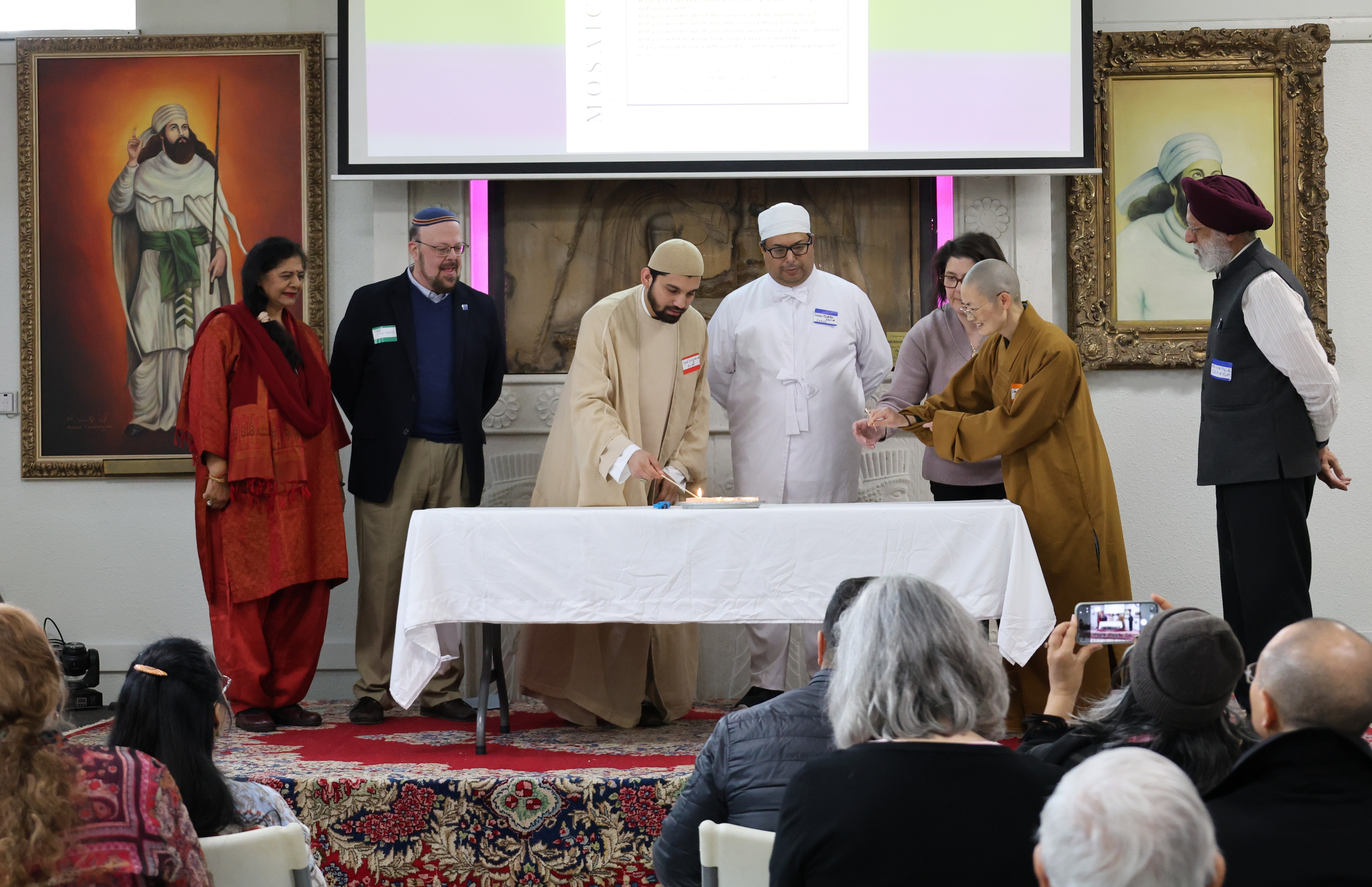
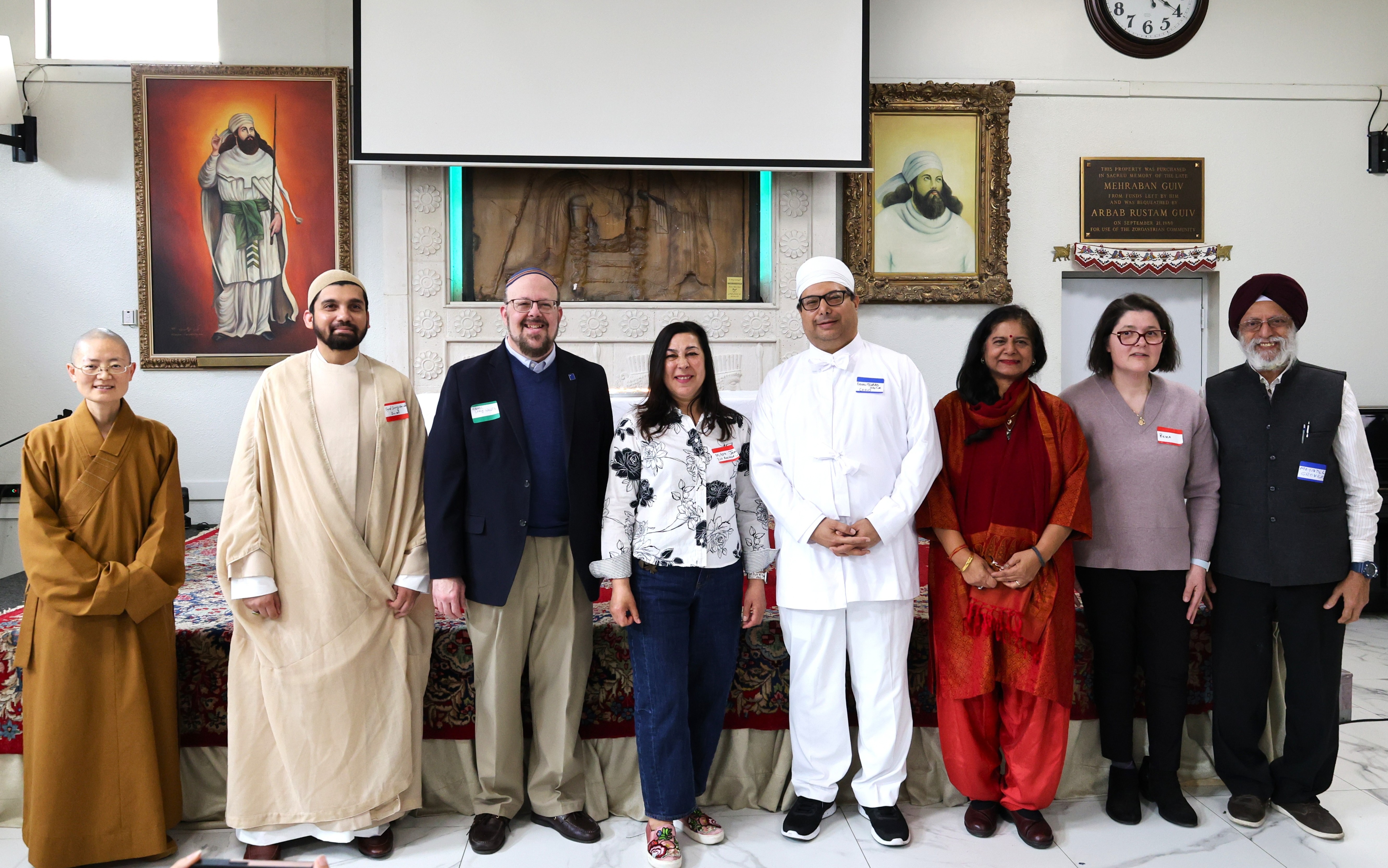
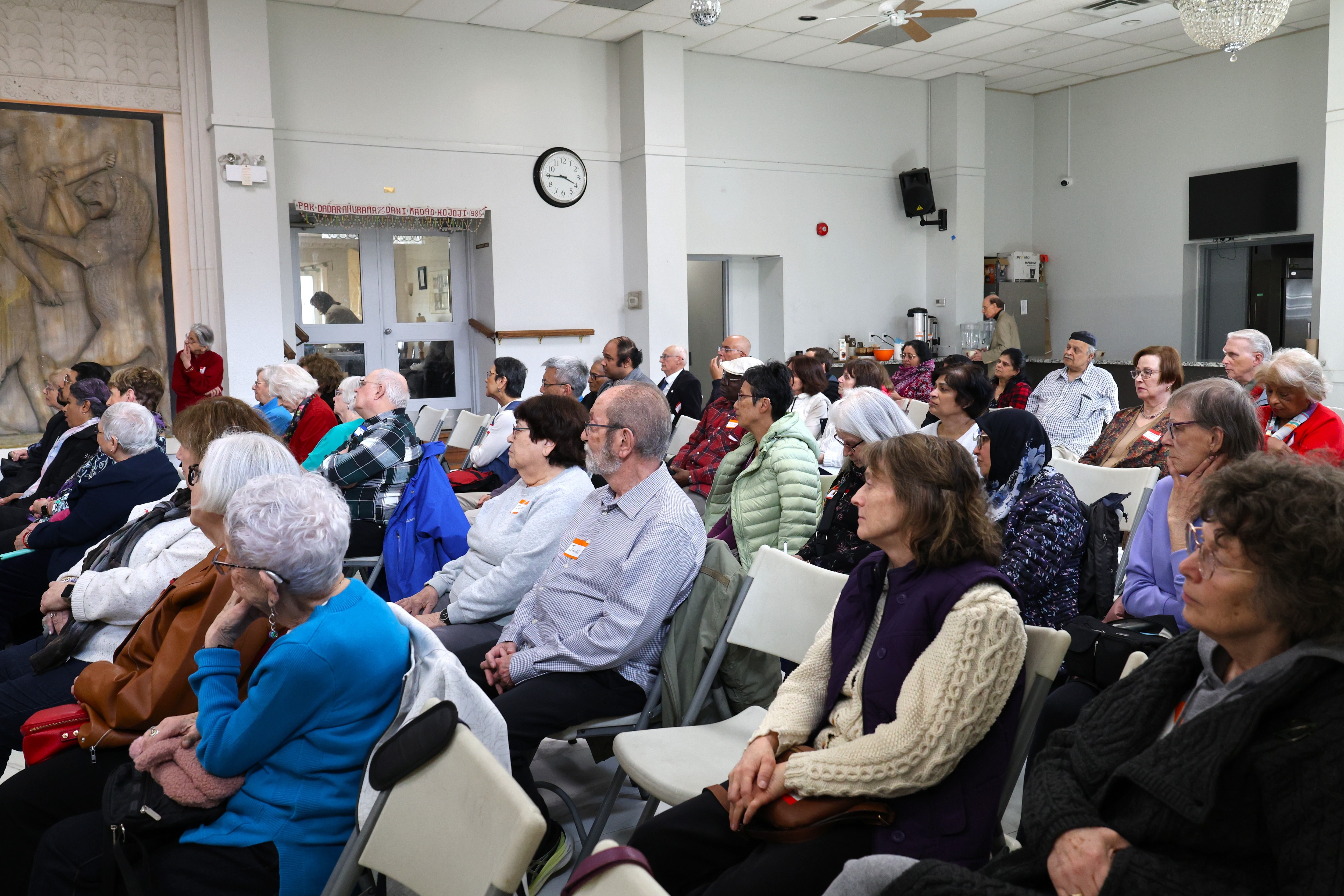
An Interfaith Marriage Forum held on April 19, 2026, at the Zoroastrian Society of Ontario in North York brought together representatives from seven faith traditions to foster understanding and dialogue on marriage in a multicultural society. Part of the broader “How to Be a Perfect Stranger” interfaith series, the session focused on weddings, offering both practical and spiritual insights into diverse religious practices while opening new perspectives on the meaning of marriage in contemporary society.
Co-hosted by Mosaic Group and the Ontario Zoroastrian community, the forum featured presentations from representatives of each tradition. The program also included a candle-lighting ceremony, during which participants jointly offered blessings for peace and harmony.
Representatives from Zoroastrianism, Catholicism, Sikhism, Islam, Hinduism, Judaism, and Buddhism shared how marriage is understood within their traditions—highlighting both sacred meanings and lived practices.
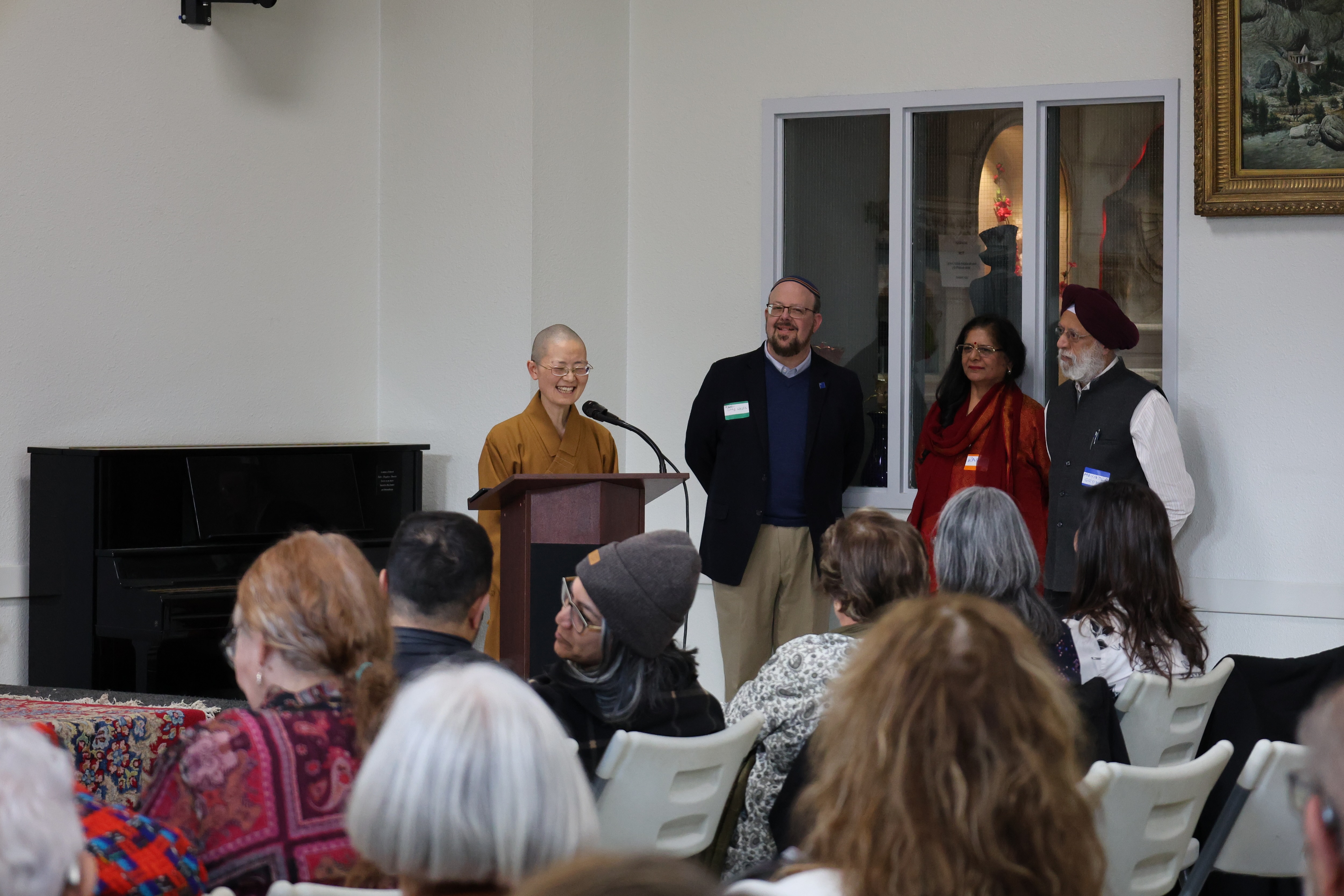
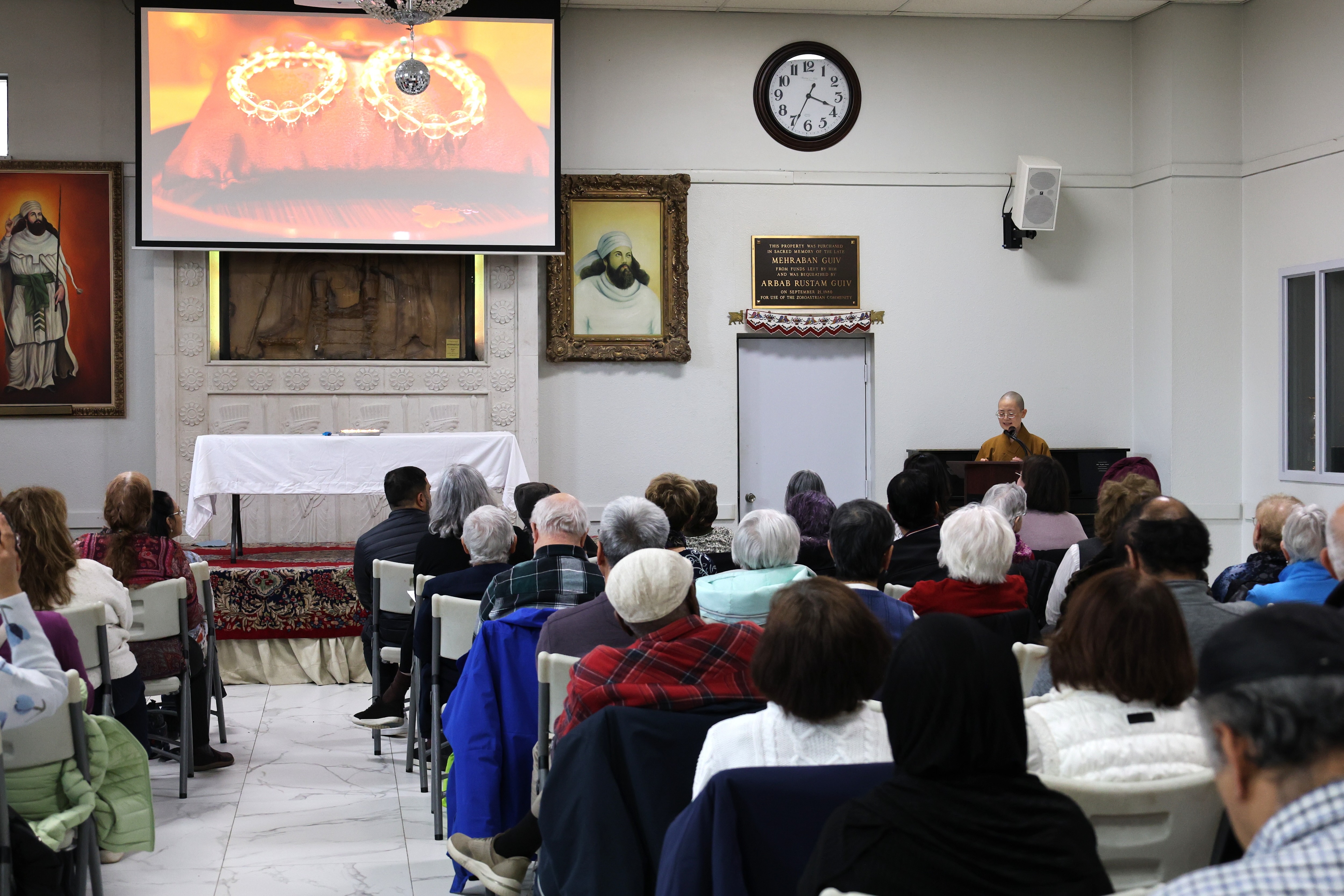
Representing Fo Guang Shan Temple of Toronto, Superintendent Venerable Zhi Guan offered the Buddhist perspective. She explained that, in Buddhism, marriage is not a divine mandate but a meaningful relationship arising from causes and conditions—one that supports mutual growth and shared cultivation. She emphasized that a stable marriage is grounded in shared values, respect, and commitment, rather than romantic sentiment alone.
Venerable Zhi Guan also introduced the simplicity and dignity of Buddhist wedding ceremonies, in which couples make vows before the Buddha to uphold equality, trust, and mutual support—marking marriage as the beginning of a shared path of practice.
Other traditions highlighted their distinctive expressions: Zoroastrian weddings emphasize unity and well-being through symbolic rituals; Catholic marriage is understood as a lifelong covenant with God; Sikh Anand Karaj centers on spiritual companionship; Islamic Nikah underscores mutual consent and commitment; Hindu ceremonies invoke sacred fire as witness to life’s sacred aims; and Jewish weddings emphasize covenant and enduring responsibility.
While many traditions have historically encouraged marriage within the same faith, speakers acknowledged the growing prevalence of interfaith unions. Through open and respectful dialogue, the forum demonstrated how religious communities are responding with greater understanding, offering thoughtful guidance for navigating relationships across cultures and beliefs.