English


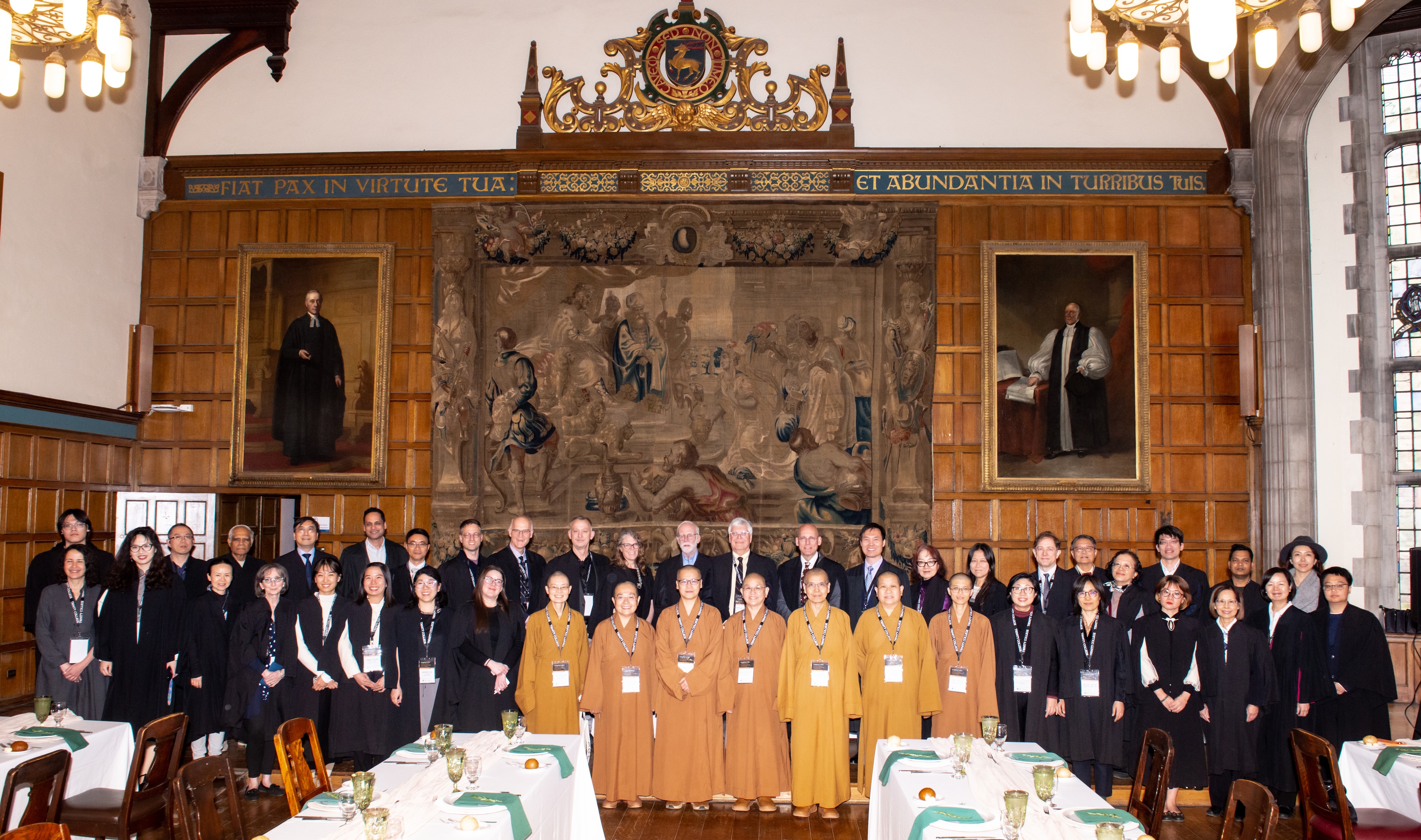
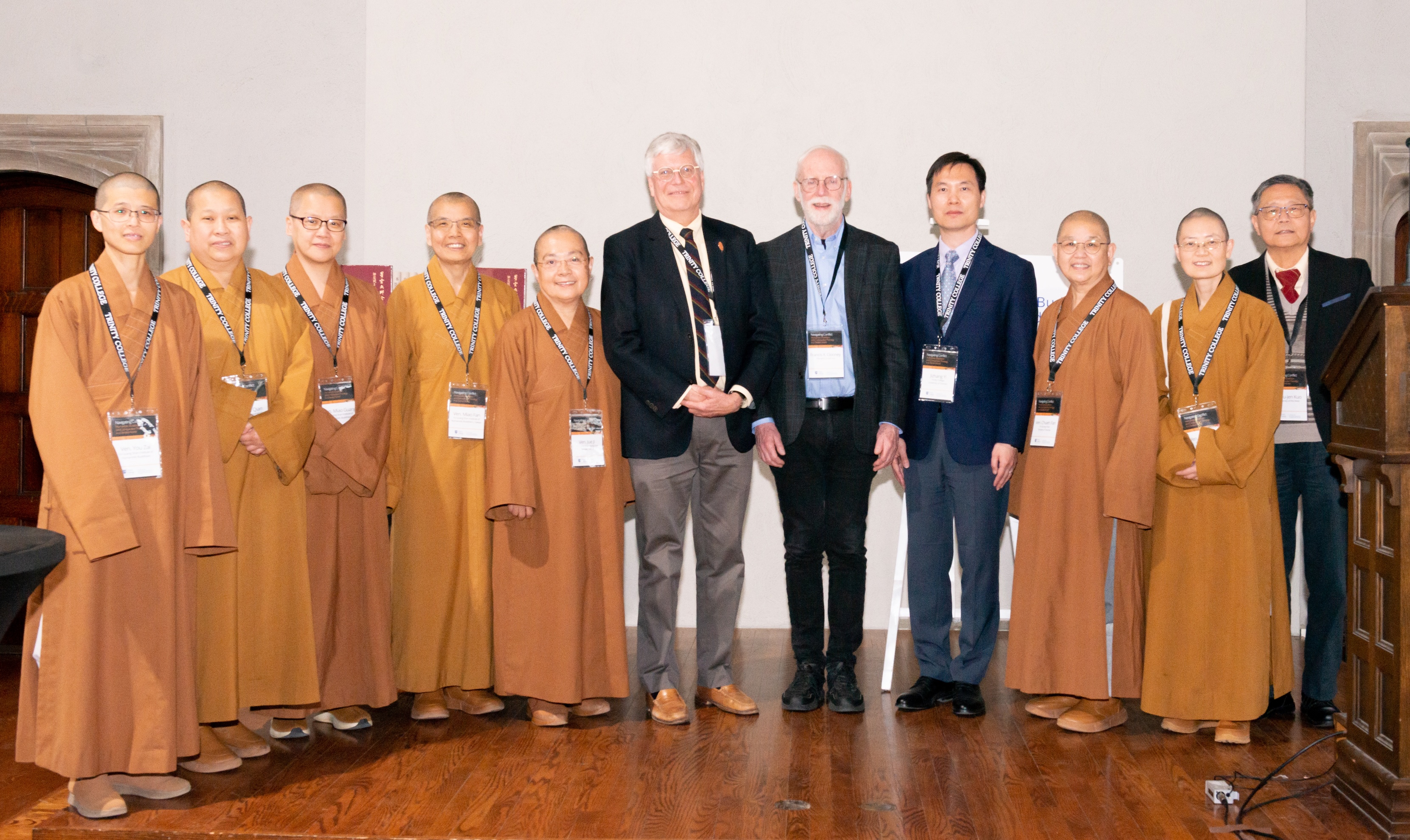
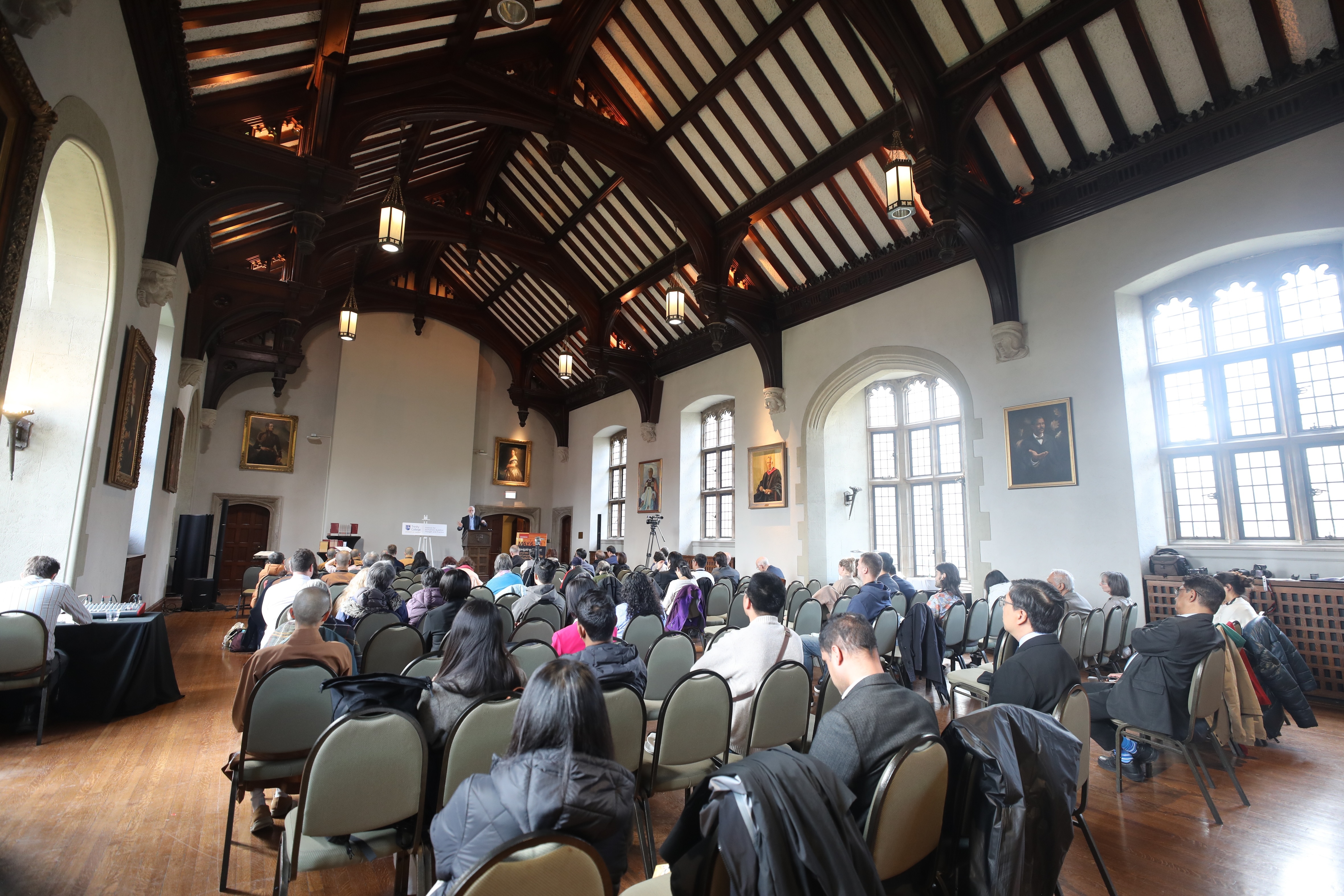
The newly established Institute for Humanistic Buddhist Thought and Practice at the University of Toronto convened its inaugural international academic conference from May 6 to 8 under the theme, “Navigating Conflict: Humanistic Buddhism and Comparative Theology in a Divided World.” Bringing together nearly 30 scholars, theologians, and religious leaders from leading global institutions, the conference marked a significant milestone in advancing Humanistic Buddhism within international higher education and contemporary academic discourse.
Participating scholars represented institutions including Harvard University, University of Cambridge, Columbia University, University of California, Berkeley, and University of Toronto. The conference featured two keynote lectures, two plenary forums, and seven panel sessions, with 17 papers focusing on Fo Guang Shan, Venerable Master Hsing Yun, and Humanistic Buddhism studies.
Conference discussions addressed comparative theology, interfaith dialogue, migration and localization, digital Buddhism, ethics, spiritual care, and social engagement, reflecting the growing international scope and interdisciplinary character of Humanistic Buddhism studies.
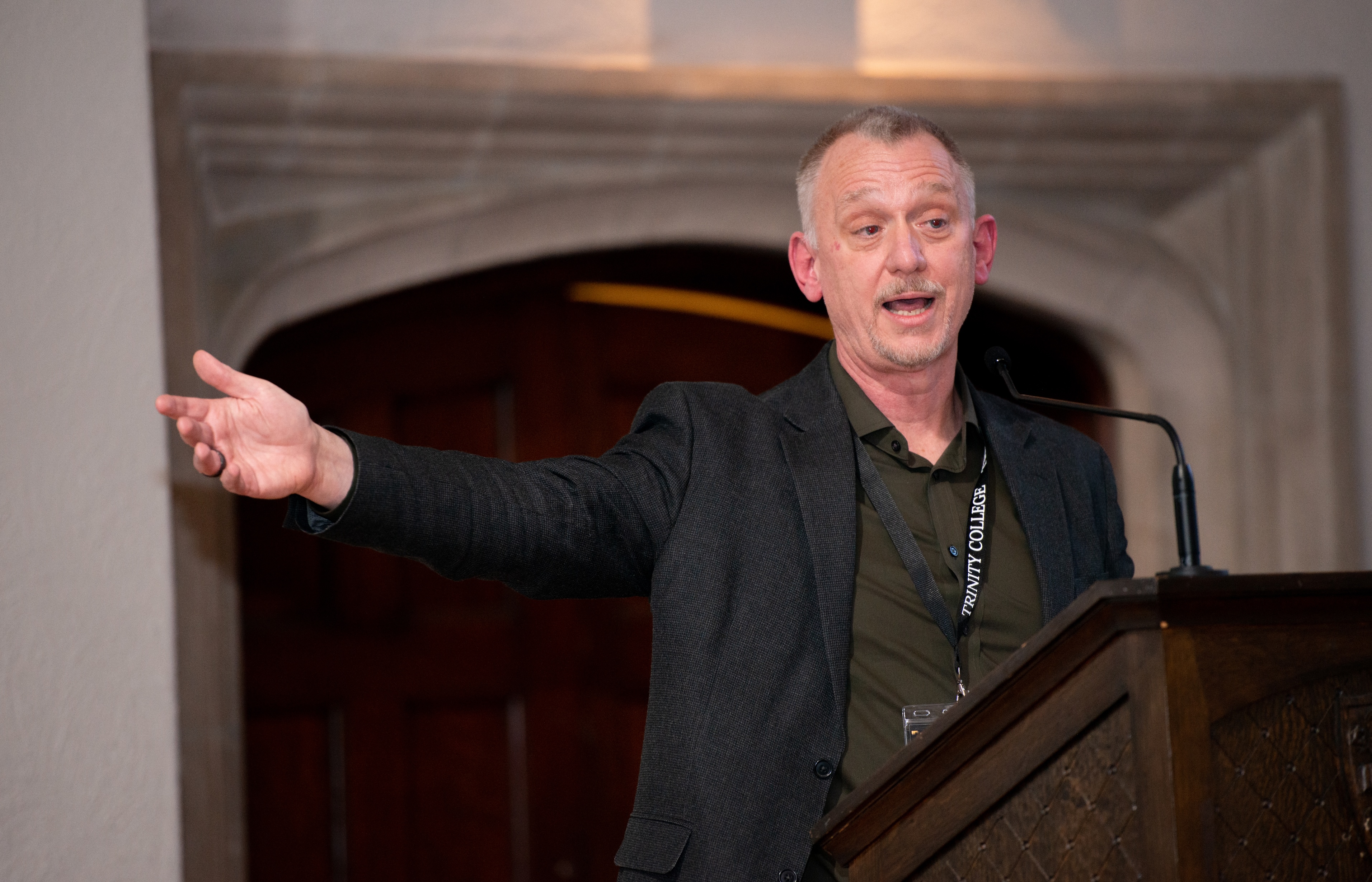
Rev. Dr. Michelle Voss emphasized that comparative theology must engage voices from the margins in order to respond meaningfully to increasing social and religious polarization. Rev. Dr. Gregory Snyder examined poverty, shame, and liberation through reflections on collective karma and structural injustice, highlighting the ethical responsibility of religious traditions in confronting suffering.
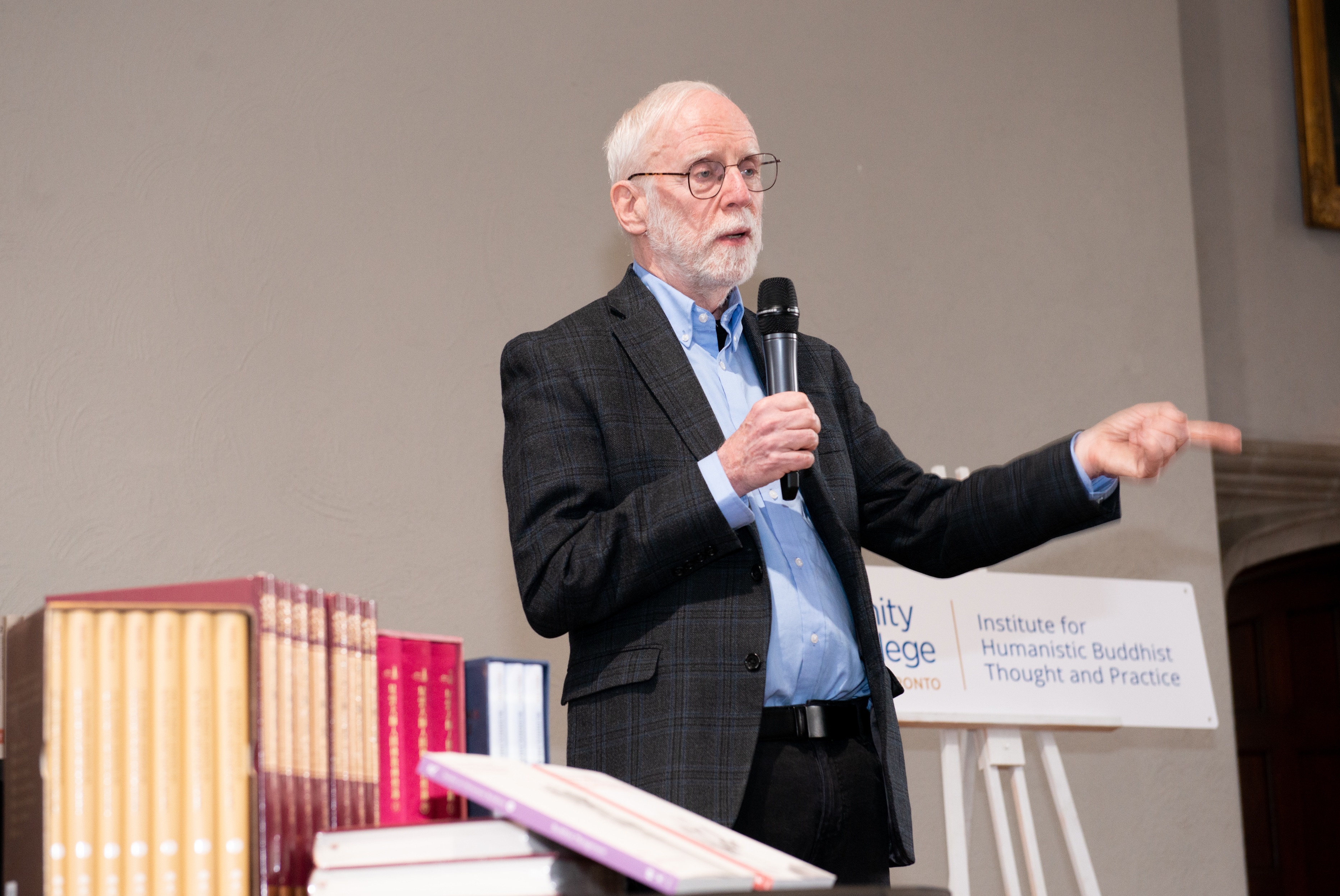
In a keynote that drew particular attention, Rev. Dr. Francis X. Clooney, S.J., Parkman Professor of Divinity at Harvard University, reflected on “Humanism and Comparative Theology in a Multi-Faith Future.” He praised Humanistic Buddhism: Holding True to the Original Intents of Buddha as an important contribution to global religious dialogue and recited passages from “My Understanding of Humanistic Buddhism,” underscoring the contemporary relevance of Humanistic Buddhism in comparative theology and interreligious studies.
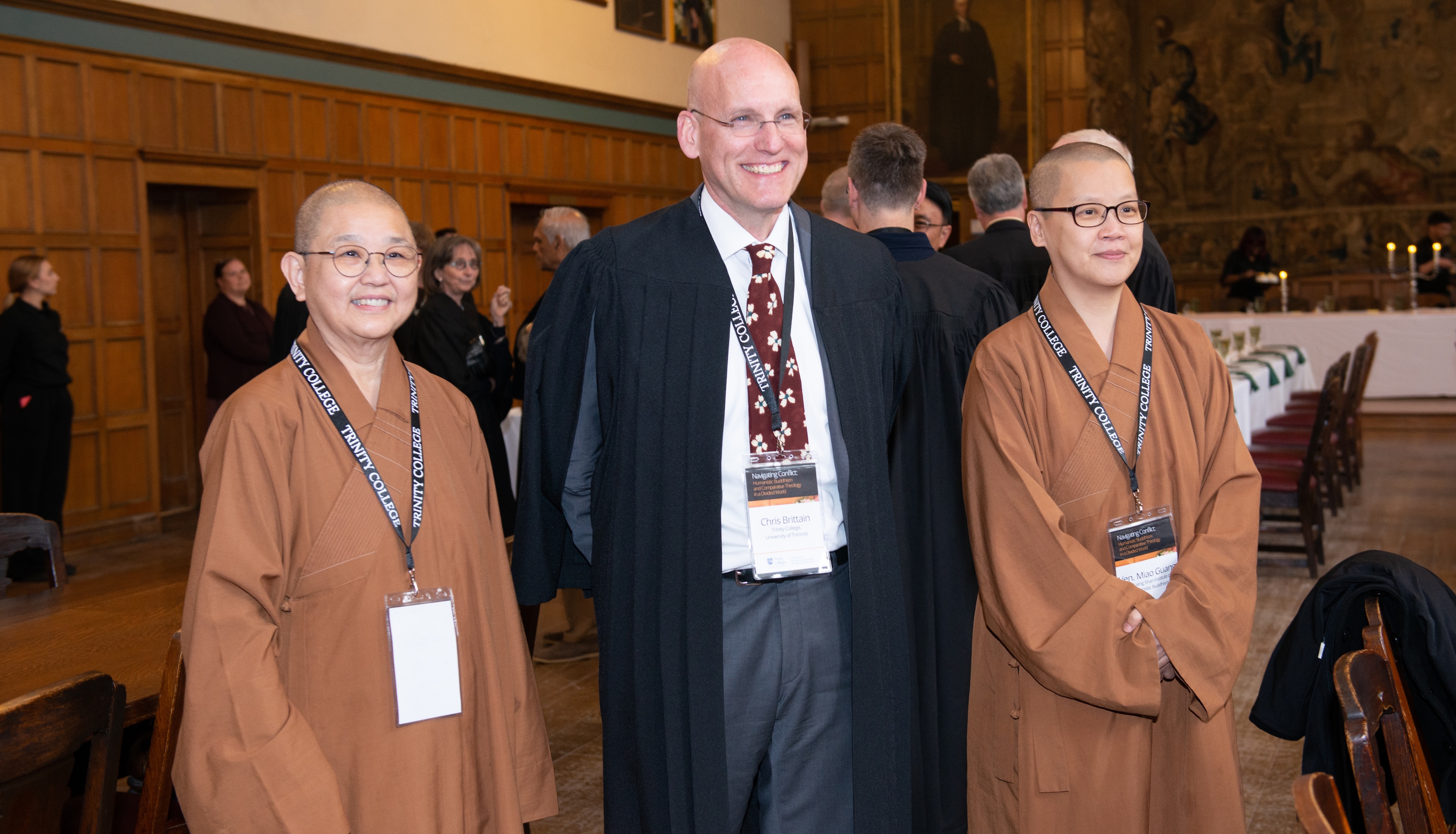
Panel presentations further expanded the dialogue across historical, theological, and social dimensions. Rev. Dr. Christopher Brittain, Dean of Divinity at Trinity College, discussed models of Anglican-Buddhist engagement and comparative theology. Dr. Bill M. Mak examined Sino-Japanese Buddhist cooperation in Hong Kong during World War II. Dr. Kazal Barua explored Humanistic Buddhism and community development in Bangladesh, while Dr. Henry C. H. Shiu revisited Yang Wenhui’s role in the revival of modern Chinese Buddhism.
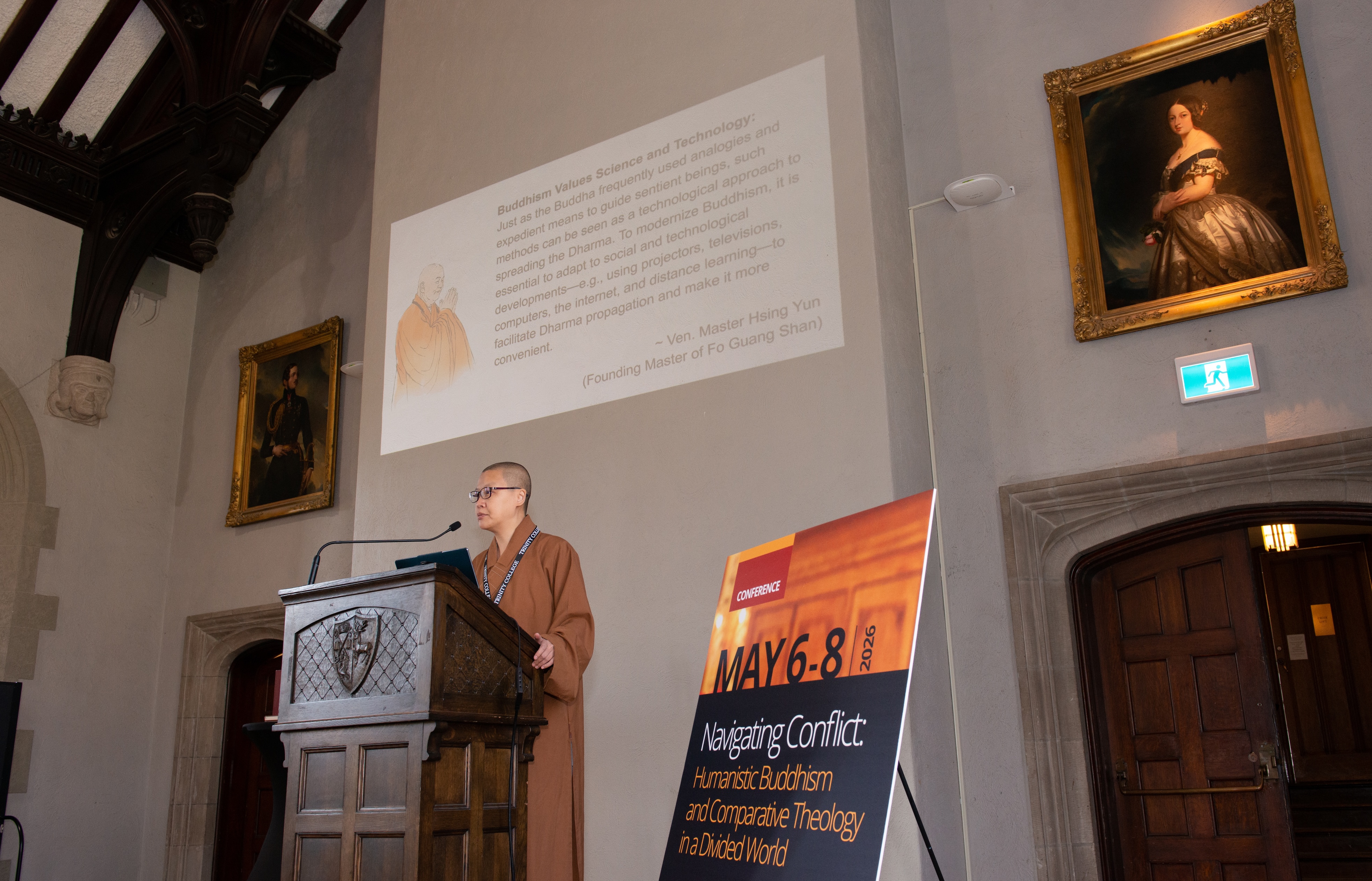
Addressing Buddhism and emerging technologies, Venerable Miao Guang, Deputy Chancellor of the Fo Guang Shan Institute of Humanistic Buddhism, highlighted the English edition of the Fo Guang Dictionary of Buddhism and FoGuang AI, noting that AI-era Buddhist translation now involves not only linguistic conversion, but also the reorganization and global transmission of Buddhist knowledge systems.
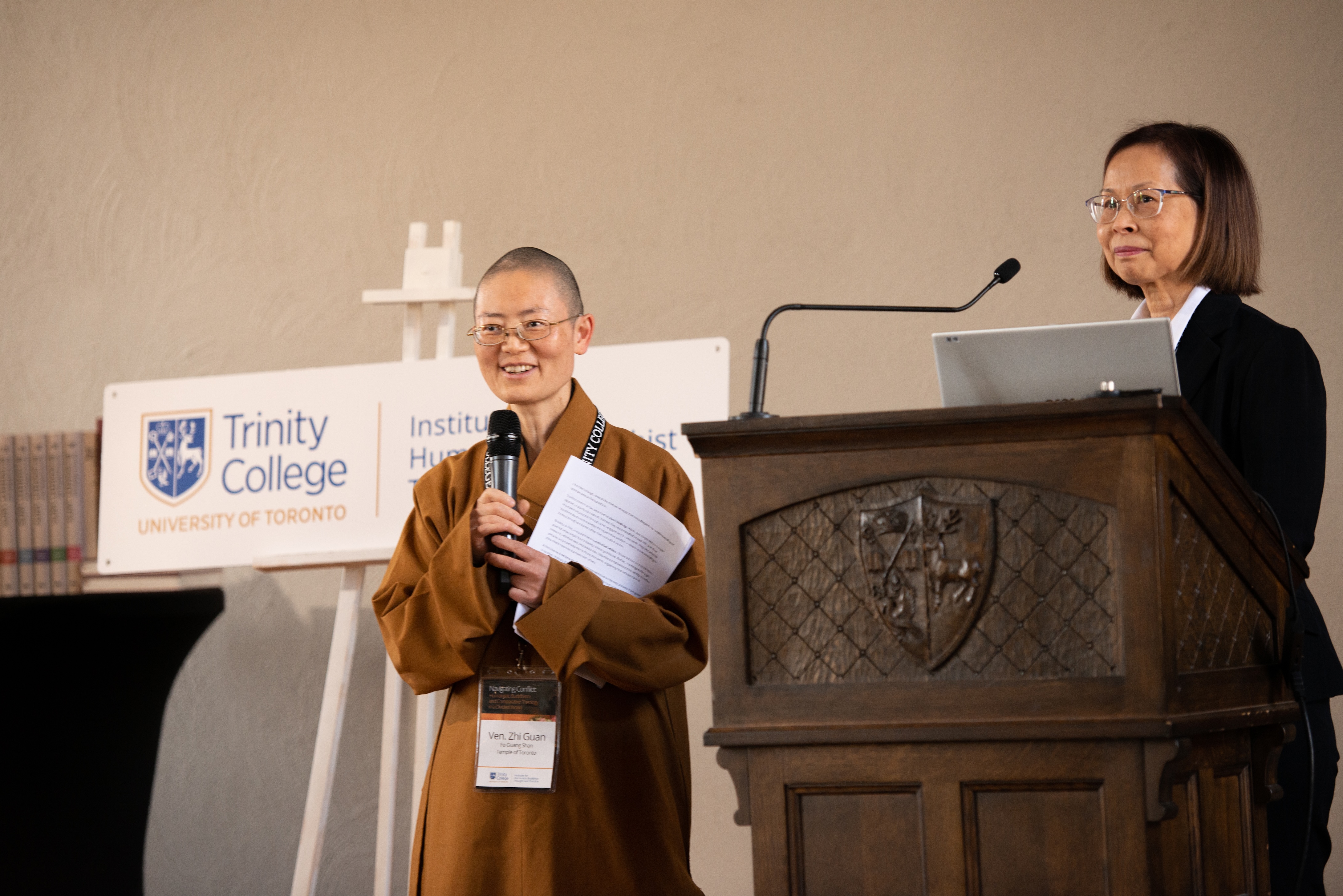
Venerable Zhi Guan, Superintendent of Fo Guang Shan Temple of Toronto, together with Stephanie Hong, Head of the Buddha’s Light Spiritual Care Group, shared post-pandemic approaches integrating psychology, sociology, and Buddhist spiritual care to support mental wellness and community resilience.
In addition, Venerable Jue Ji discussed models for localizing Humanistic Buddhism in Western societies through language adaptation, interfaith exchange, and youth education. Other presentations addressed karma studies, repentance practice, immigrant Buddhism in Europe, cultural hybridity, and plant-based ethics and education, demonstrating the continuing evolution of Humanistic Buddhism across academic, cultural, and social contexts.