From Self-Kindness to Compassion for Others: Toronto Workshop Explores Mindful Self-Compassion
October 10, 2026
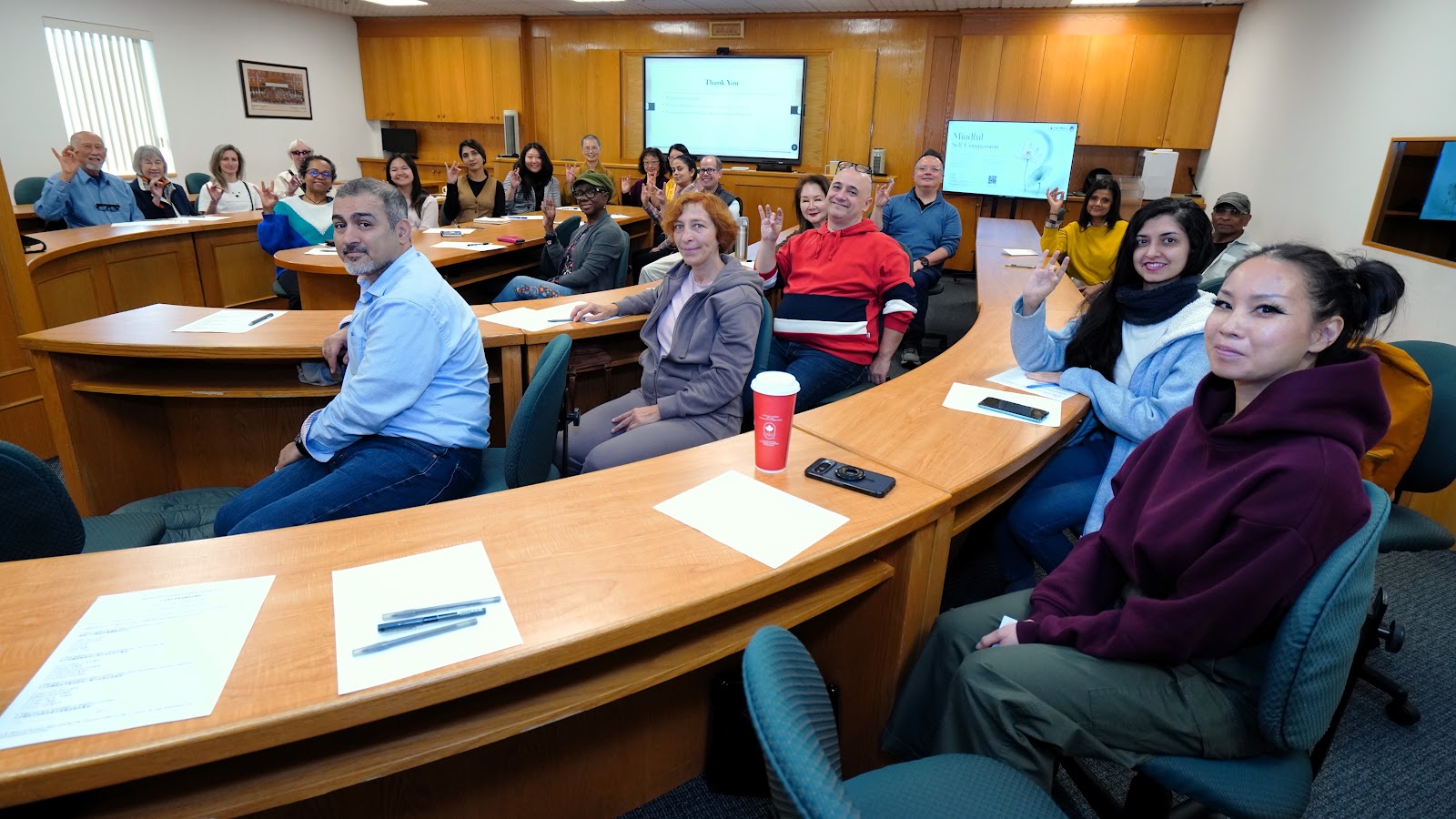
Why is it often easier to show compassion to others than to ourselves? This question was at the heart of a Mindful Self-Compassion workshop held on October 10 at Fo Guang Shan Temple of Toronto, where 23 participants explored how self-kindness can strengthen emotional resilience and deepen our capacity to care for others.
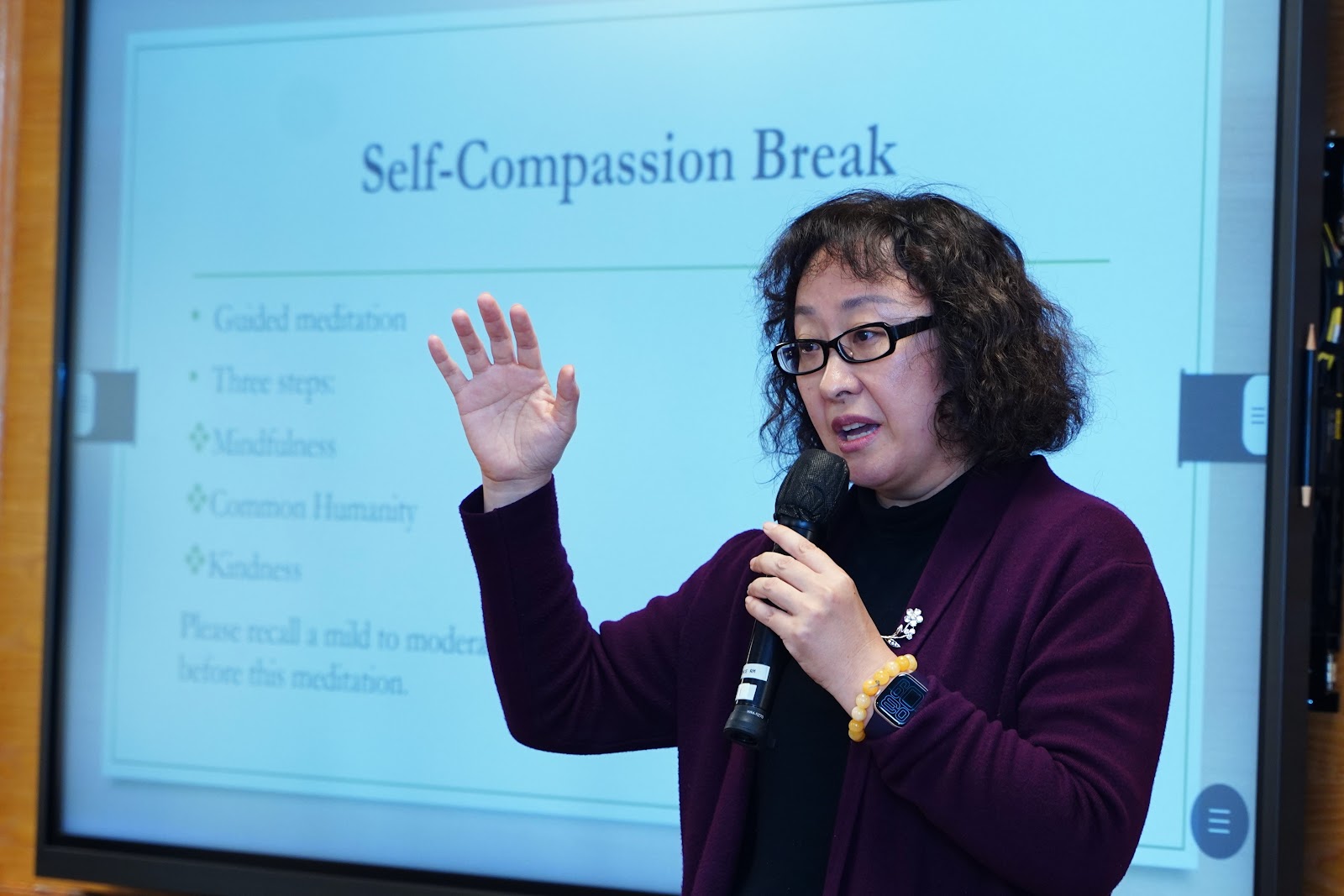
Organized by the Buddha’s Light International Association (BLIA) Toronto English Subchapter, the workshop featured Carol Xiang, an Ontario-registered social worker, clinical therapist, and Mindful Self-Compassion teacher. Through interactive exercises and group discussions, participants explored the connection between emotional well-being, self-care, and compassionate living.
Carol introduced three essential elements of mindful self-compassion: mindfulness, common humanity, and self-kindness. She explained that difficulties and emotional struggles are part of the shared human experience, and that responding with understanding rather than self-criticism can help build emotional resilience.
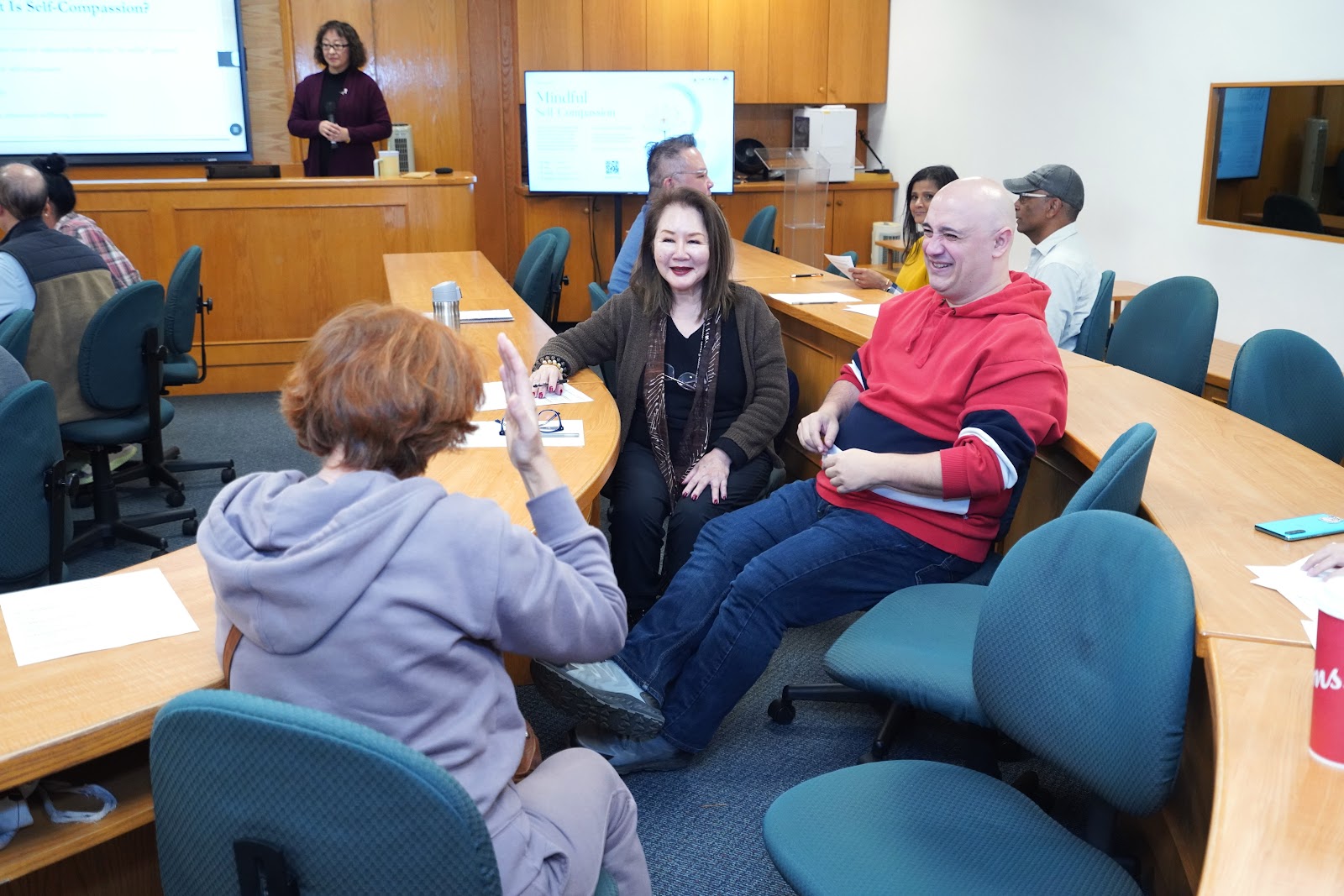
In a reflective exercise, participants compared how they would comfort a struggling friend with how they typically respond to their own setbacks. Many recognized a familiar pattern: offering patience and encouragement to others while holding themselves to harsh expectations.
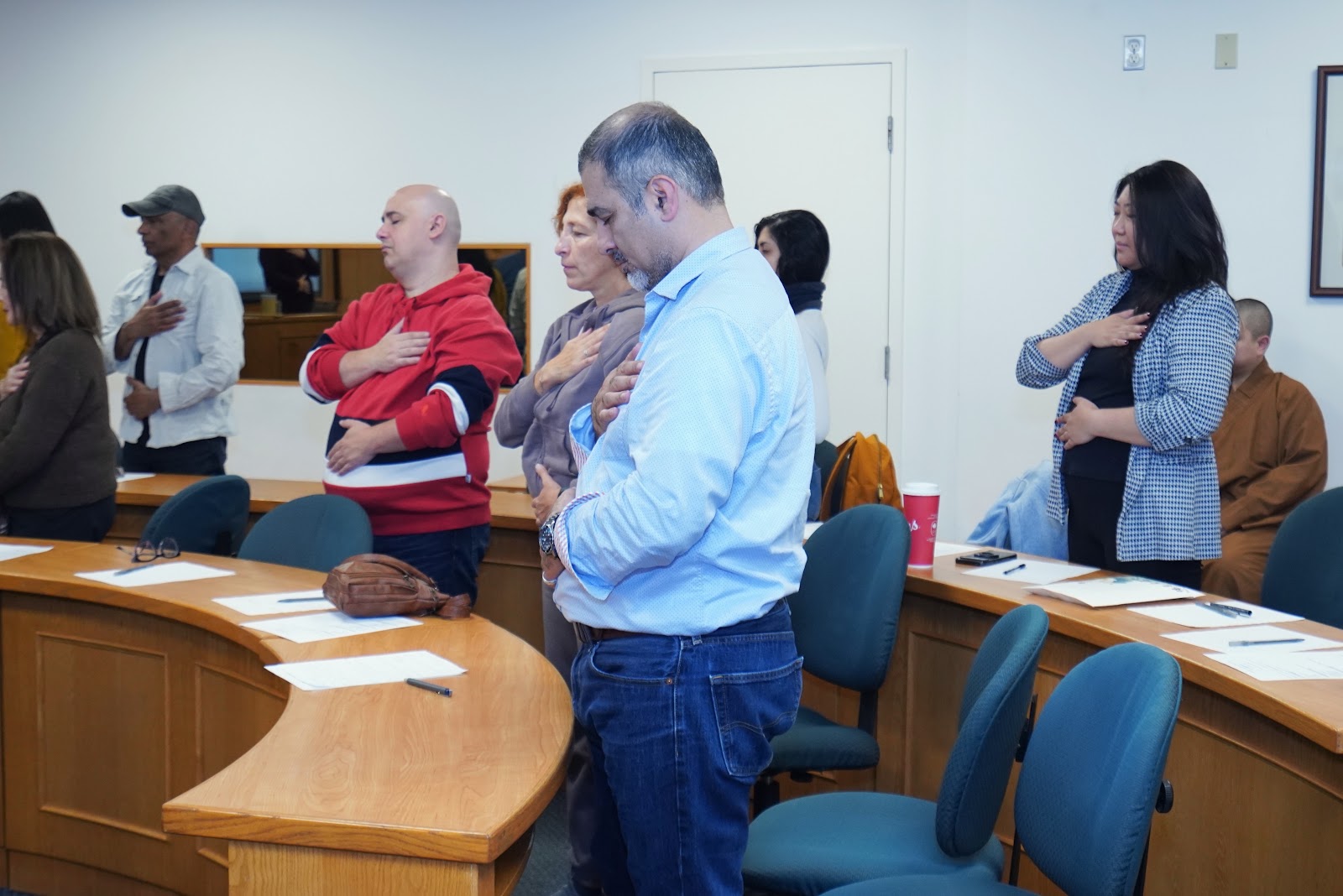
Carol also guided a fist-clenching exercise to demonstrate how resistance creates physical tension. A subsequent Self-Compassion Break combined mindful breathing, body awareness, and gentle self-encouragement, helping participants respond to stress with greater acceptance and clarity.
During the Q&A, Carol emphasized that self-compassion is neither self-indulgence nor avoidance of responsibility, but a way to pursue personal goals without excessive self-criticism.
Charoo Norris of the English Subchapter shared how the workshop helped her reconsider feelings of guilt about not spending enough time with her daughter, inspiring her to approach herself with greater understanding.
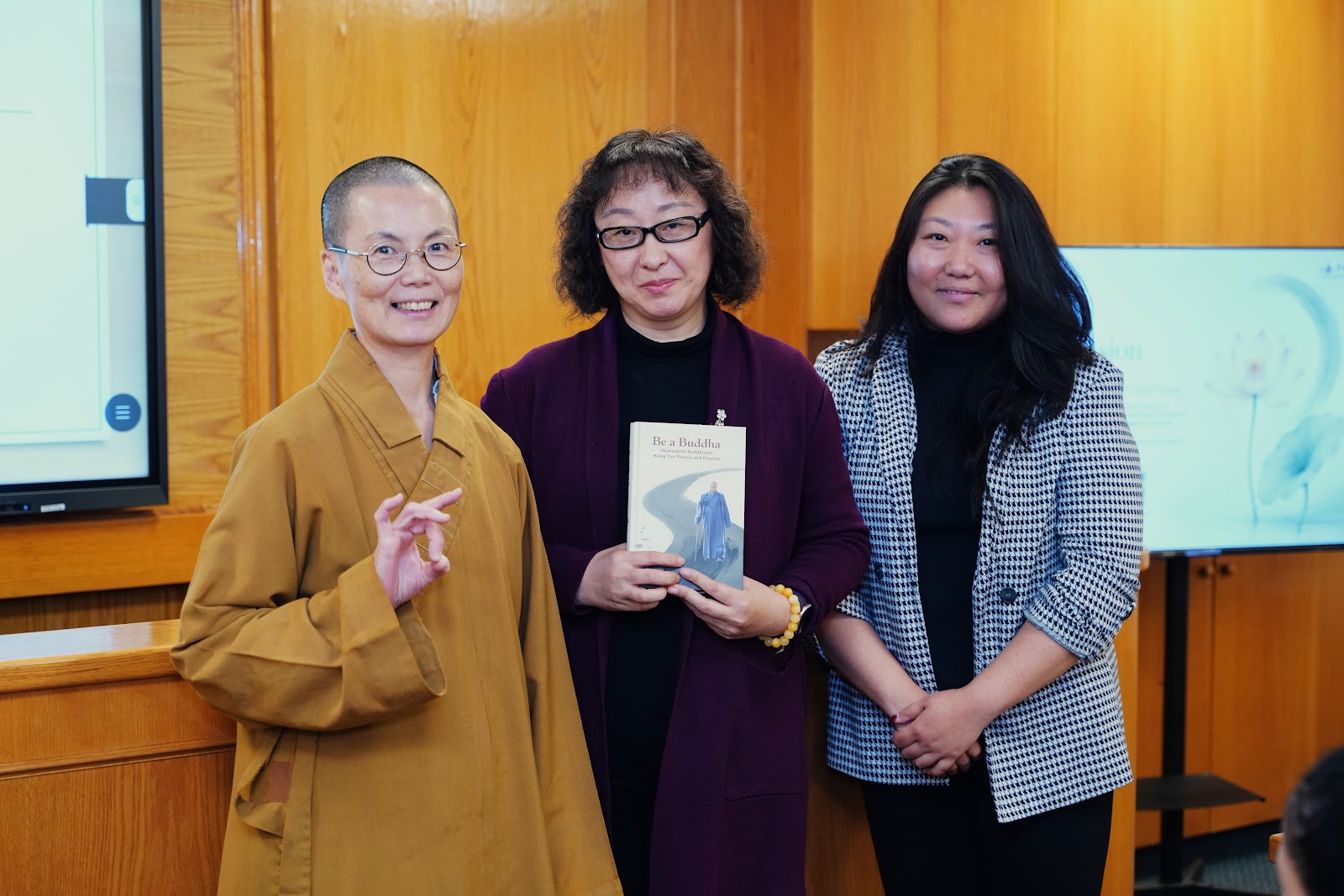
Venerable Ru An, the Subchapter’s Monastic Advisor, connected the practice to Humanistic Buddhism, emphasizing that spiritual cultivation begins in everyday life. By developing greater awareness of our thoughts and emotions, we can cultivate inner stability and compassion. Caring for ourselves, she reminded participants, is an important foundation for caring for others with wisdom and kindness.
More Photos